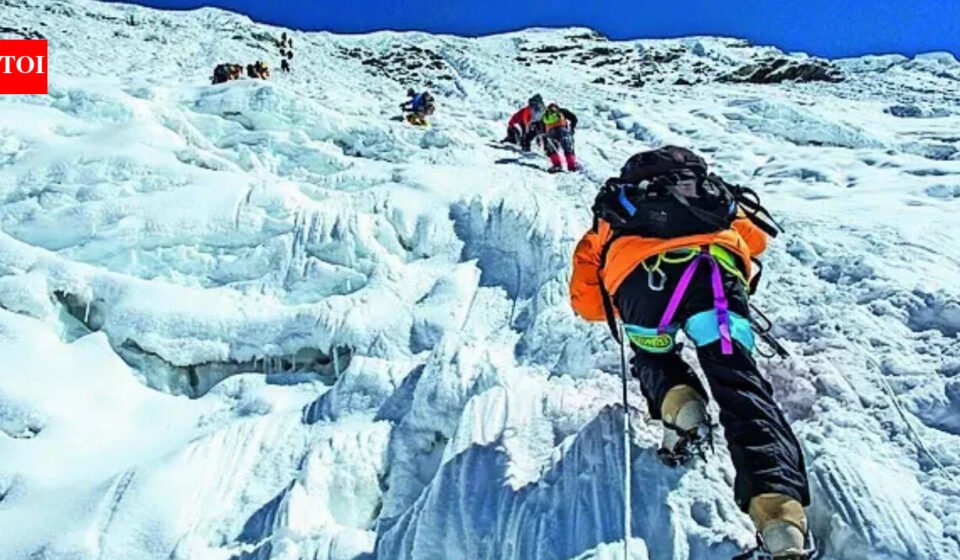

Nepali lawmakers have proposed that climbers seeking permission to climb Mount Everest should first summit at least one 7,000m peak in the country, part of a wider move to tighten access to the world’s highest peak after a record-breaking spring saw 1,008 people successfully summit on the Nepal side – breaking the 1,000 mark for the first time – and five deaths, including two Indians.Nepal has issued 492 permits this season, with concerns over crowding, inexperienced climbers and waste again at the center of debate.The proposals are part of 263 amendments to Nepal’s comprehensive tourism bill, which are currently being considered by Parliament. A set of amendments seeks to require high-altitude experience for Everest permits, with suggestions ranging from one 7,000m and one 8,000m summit to the more stringent requirement of one mountain above 7,000m and two peaks above 8,000m in Nepal. Another proposal seeks to issue mandatory training and medical certificates within a month of applying for a license.The amendments also seek to change the way Nepal manages the number of climbers on Everest and other high mountains. MPs recommended the government assess terrain, weather windows and congestion risks before setting the maximum number of licenses for each mountain and each season. Within that quota, licenses should be auctioned for a minimum of $15,000 and awarded to the highest bidder, one proposal said.Waste control is another major part of the plan. Expeditions may need to attach QR codes to every item they carry above base camp, digitally record all equipment brought up the mountain, and weigh and certify gear and trash brought back. MPs are also proposing a ban on single-use plastics and a zero-waste policy covering biodegradable and non-biodegradable materials.Other suggestions include integrated checkpoints led by the military, staffed by government agencies, and liaison officers stationed there to oversee permits and expedition activities. The amendments seek a 20kg weight limit above base camp, cashless medical and rescue cover, and stronger death, treatment and search cover for Sherpas, guides and support staff.Tashi Lhakpa Sherpa of 14 Peaks Expedition told TOI: “The intention to screen climbers is understandable, but only a few 7,000-meter peaks attract climbers. Unless the government develops alternatives with appropriate routes, this rule may push most Everest climbers to the same few reserve peaks.” Nepal Mountaineering Association officials said the rule could reduce pressure on Everest and help build Nepal’s mountaineering economy.