
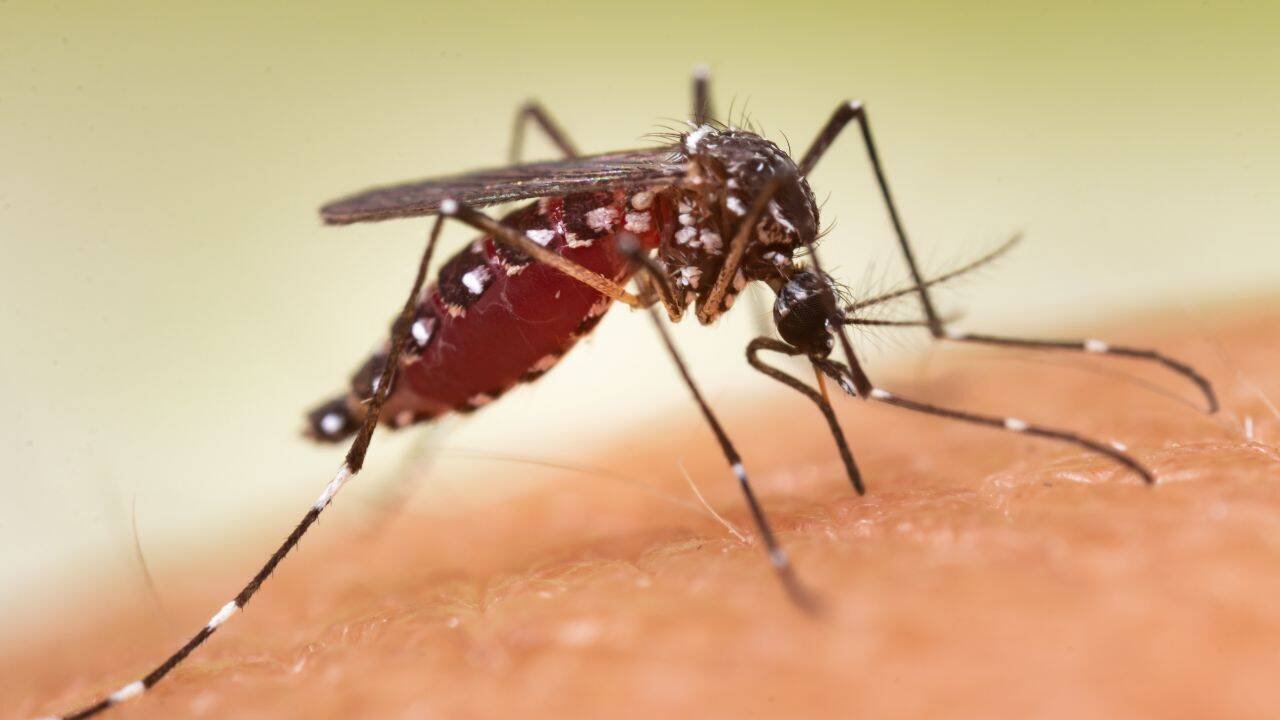
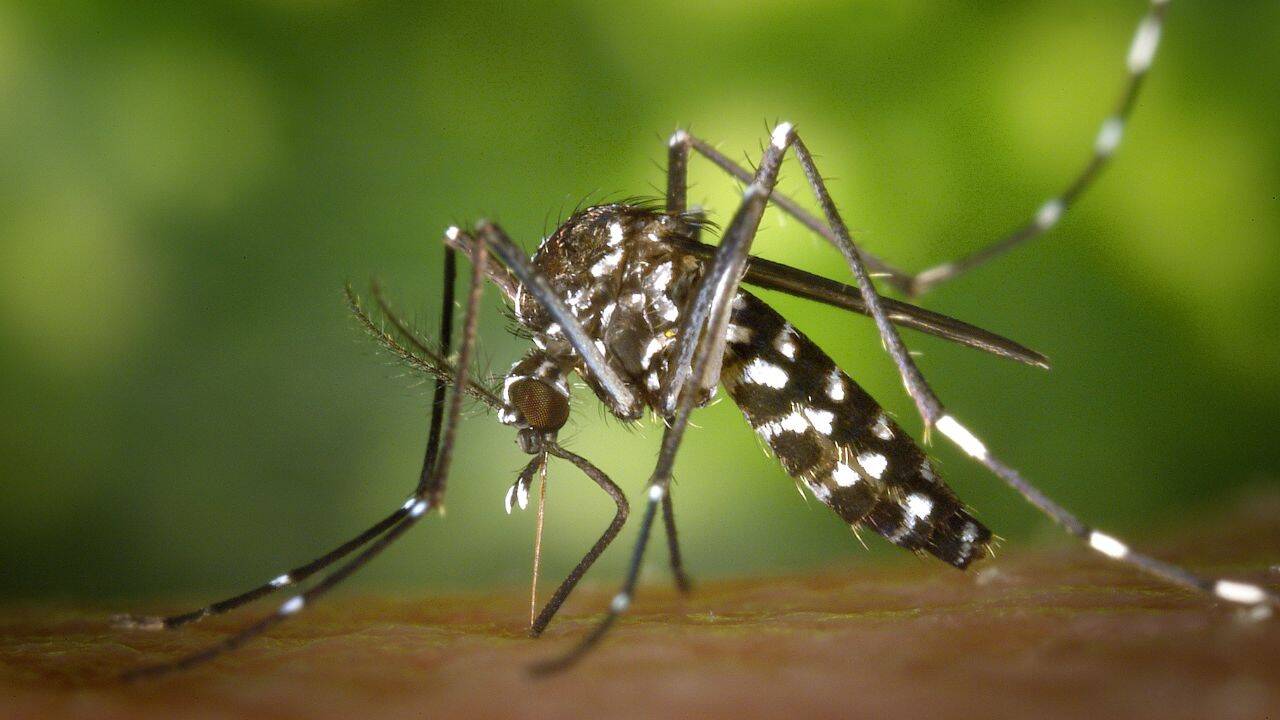
In many parts of the eastern United States, mosquito eradication has become another household service. Homeowners are hiring private companies to spray their yards or buying their own insecticides and sprayers in hopes of recovering from the ongoing bite on summer nights. But new research from North Carolina State University suggests these choices may be quietly helping mosquitoes adapt and survive chemicals designed to kill them.Two related studies, one on How resistance arises and spread and another The social model behind itfocusing on the Asian tiger mosquito (Aedes albopictus). This invasive species is now common across much of the eastern United States and is a dominant daytime biter in the Southeast. It thrives in urban and suburban environments, multiplying in small containers and anywhere water can be held: flowerpots, clogged gutters, toys left outside, even bottle caps.The key finding is troubling: By 2023, genetic markers for insecticide resistance were present in 84% of sampled residential areas in one North Carolina county, and these hotspots were more common in wealthier communities where spraying was more frequent.
Backyard spraying and an unexpected evolutionary experiment
representative image
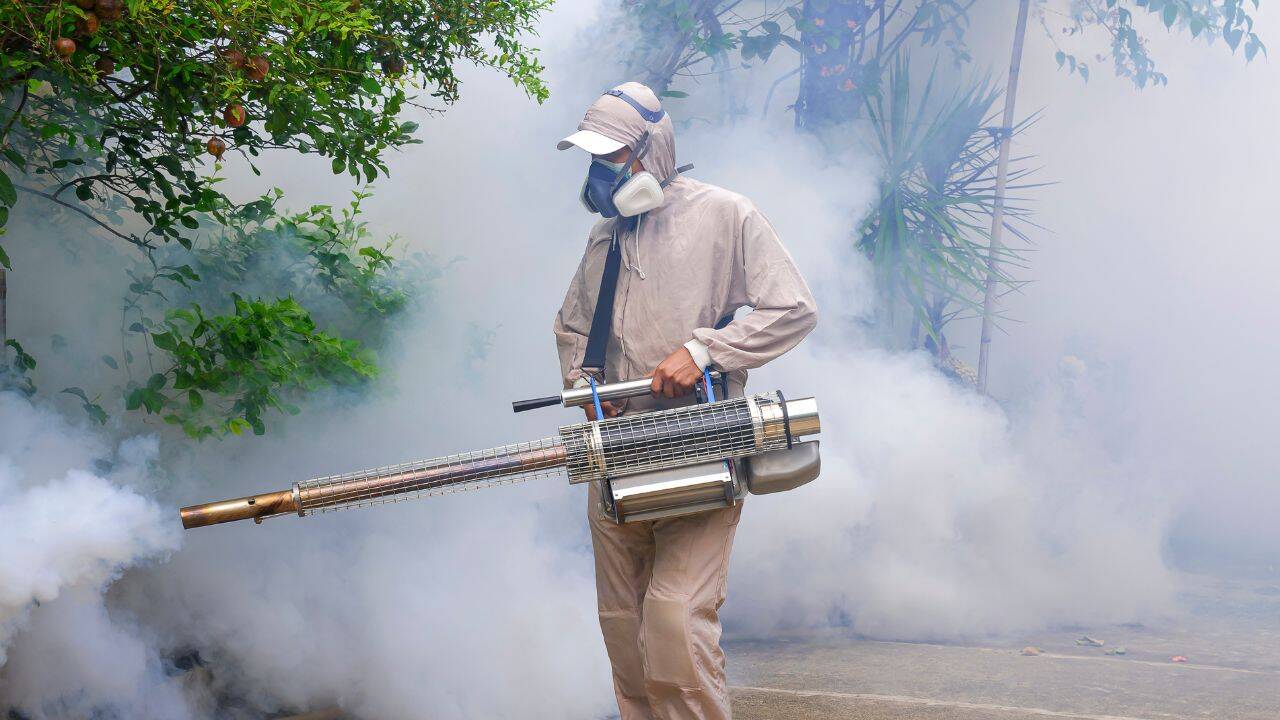
In North Carolina, pyrethroids, a widely used insecticide, are often used in homes to control adult mosquitoes. Pyrethroids are relatively inexpensive and considered safer than many alternatives used around homes, pets and people. In areas where mosquito-borne diseases are high, they can play an important role in limiting the spread. In most of North Carolina, however, they are primarily used to reduce nuisance bites.Research suggests that repeated backyard spraying across many homes may create strong local selection pressures, as homeowners with more disposable income are more likely to pay for regular mosquito spraying or purchase chemical products. Additionally, those mosquitoes that survive these treatments (usually due to a slight genetic advantage) are also the ones that are able to reproduce. Over time, these survival traits spread among local mosquito populations, leading to resistance to insecticides.“Wealthy homeowners will spend money to spray for mosquitoes, and mosquitoes will select for localized resistance… Over time, as more and more resistance accumulates in the population, it will become more difficult to control the population. Pesticides will no longer be as effective, explains Martha Burford Reiskind, associate professor of biological sciences at North Carolina State University and corresponding author of both papers, Phys.org reports.
How resistance spread in Wake County
representative image
The research focused on Wake County, North Carolina, specifically on pyrethroid resistance. The team looked for mutations in mosquito DNA that are known to reduce susceptibility to these insecticides.One study analyzed archived mosquito samples from 2016 to 2024 to track how quickly specific resistance mutations emerge and spread. At first, the situation looked reassuring, as no resistant mosquitoes were found in samples taken from 2016 to 2017. In 2018, the first resistant mosquitoes appeared, but only in a small area.By 2023, the situation had changed rapidly, with genetic markers associated with pyrethroid resistance found in 84% of sampled residential areas. 39% of mosquito samples carried drug-resistant mutations.In just a few years, resistance went from imperceptible to ubiquitous. This pattern is common in places like South America and Asia, where large-scale, continuous spraying to combat diseases like dengue fever and malaria has triggered resistance. But Burford Reskind noted that similar dynamics in the continental United States, driven primarily by private backyard mosquito control, are new.
Wealth and Resistance: Neighborhood Patterns

North Carolina
The second study asked a simple but important question: Where is resistance most common? Is this related to social or economic factors?The researchers used the total property value in each area as a proxy for homeowner wealth. While they did not directly measure the amount of spray applied per household, they hypothesized that wealthier residents would be more likely to pay for private mosquito control services or regularly purchase chemical treatments.The results showed a clear pattern: Resistance was greater in neighborhoods with higher property values. These areas may see more frequent use of insecticides, creating ongoing pressure that favors the development of resistant mosquitoes.To detect resistance, the team used genetic screening to look for mutations associated with “knockdown resistance” (KDR), according to the report. The mutation affects the mosquito’s nervous system, making the pyrethroid less effective at paralyzing and killing the insects. “When insecticide resistance emerges, these mutations tend to appear first,” Burford Reiskind said, according to Phys.org.Tiger mosquitoes are more than just a nuisance. It is an aggressive daytime biter capable of transmitting dengue, Zika, chikungunya and dog heartworm. While these particular studies focused on resistance, not disease, the implications are clear: When mosquitoes become harder to kill, the tools public health officials rely on during outbreaks may become less effective when they are needed most.The next step is to expand the sampling to a wider range of neighborhoods that vary in age, wealth, housing density and layout to see how broadly these patterns hold, said Michael Reiskind, a professor of entomology at North Carolina State University and co-author of both papers.
Why spraying alone is a problem
The core message from the researchers is not that pesticides should never be used, but that relying solely on chemical sprays is a dangerous strategy. Overuse or misuse may encourage mosquito populations to develop resistance, making these products less effective over time.Instead, they advocate an integrated pest management (IPM) approach that focuses first on preventing mosquitoes from breeding, especially by clearing standing water (where larvae grow); also using physical and biological controls where possible; and reserving chemical insecticides as one tool among many, used cautiously and strategically rather than constantly.For individual homeowners, this means regularly checking and emptying containers that collect rainwater (pots, buckets, toys, gutters, birdbaths, etc.); Cover or treat water features that don’t drain; clear clogged gutters and yard drains; and work with neighbors to reduce breeding sites throughout the area, as mosquitoes can fly from yard to yard.
Wider issues facing the community
The findings raise a broader question: When people make smart choices in isolation, such as spending money to spray their yards, what happens when thousands of people do the same thing?In Wake County, the answer appears to be that mosquitoes have adapted, with a small resistance that began in 2018 now common in most sampled neighborhoods, especially in wealthier areas. This suggests communities may need to rethink how they control mosquitoes, balancing comfort, cost and long-term effectiveness.Thinking about your own environment, what do you think are the most practical steps people can take, besides spraying, to reduce mosquitoes while avoiding the kind of resistance these studies warn about?