Melting glaciers could unleash 5,000-year-old superbugs resistant to 10 modern antibiotics, scientists warn

A team of Romanian researchers has discovered a bacterium that has been preserved in underground ice deposits for about 5,000 years and has become resistant to the effects of many modern antibiotics. The organism, discovered from the Skarisoara ice cave in northwestern Romania, has survived freezing conditions for thousands of years but is resistant to today’s drugs routinely used to treat lung, skin, blood and urinary tract infections. The research was recently published inFrontiers in Microbiologywarn of the potential risk and scientific value of exposure to organisms when rising temperatures reach long-term sealed environments, including areas covered by permanent ice such as glaciers, ice caps and ice caps, which together cover approximately 10% of the Earth’s land surface.
Microorganisms preserved in ice
To retrieve the strain, the team drilled a 25-meter-long ice core from the cave’s “hall”, representing approximately 13,000 years of accumulated ice. To avoid contamination, the fragments were placed into sterile bags and transported frozen to the laboratory, where multiple bacterial strains were isolated and sequenced.
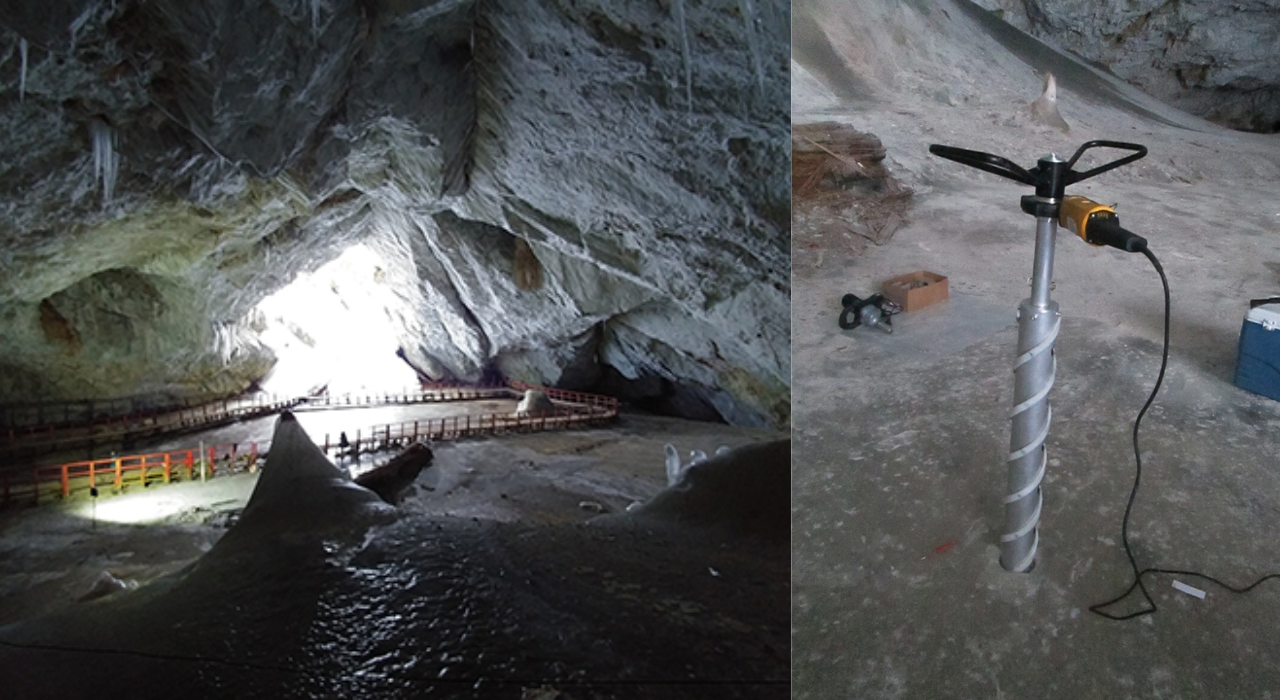
Researchers drilled a 25-meter-long ice core from the Skarishwara ice cave hall to isolate microorganisms/Daily Mail
The best-known organism discovered was Psychobacterium SC65A.3, a cold-adapted bacterium belonging to a genus previously associated with human and animal infections.Dr. Purcarea said: “Despite its ancient origin, the Psychrobacter SC65A.3 strain isolated from the Scarisoara ice cave shows resistance to a variety of modern antibiotics and carries more than 100 resistance-related genes.”
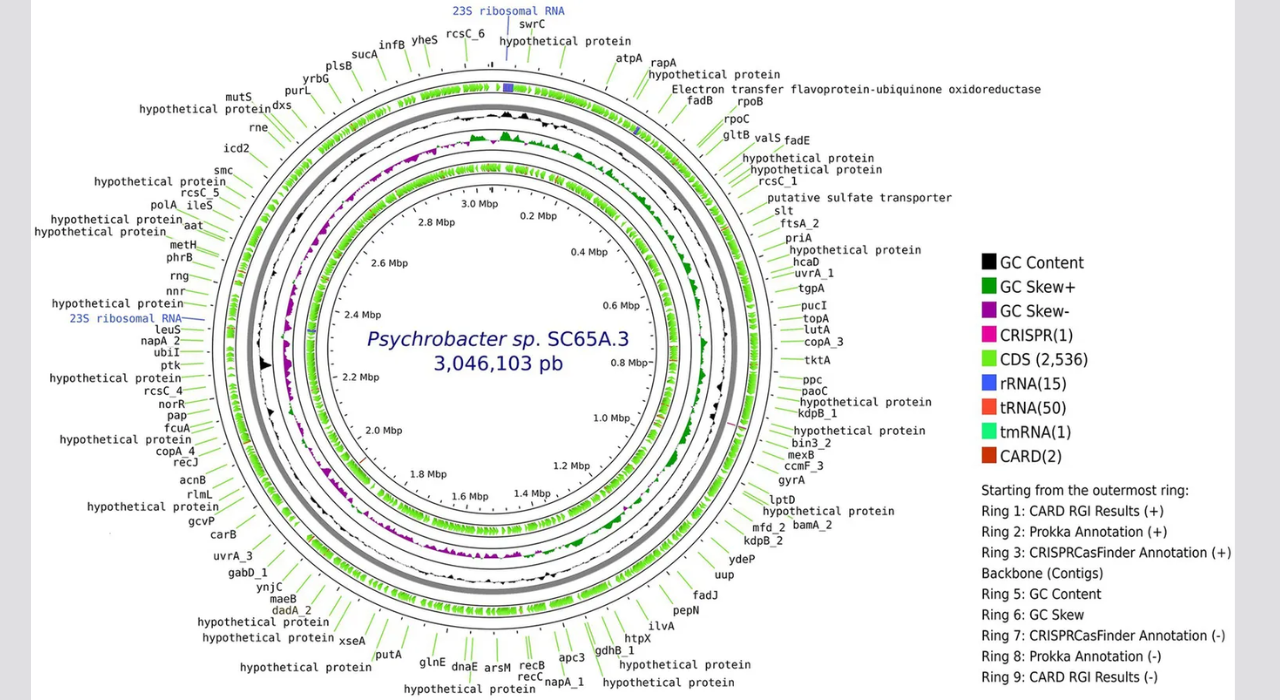
Circular representation of the complete genome of Psychrobacter. SC65A.3. ring/boundary from outermost to innermost
Genetic analysis showed that the strain carried more than 100 resistance-related genes. When the researchers tested it against 28 antibiotics from 10 classes commonly used in human medicine, the bacterium was found to be resistant to 10 of them, including drugs used to treat infections of the lungs, skin, blood, reproductive system and urinary tract, such as trimethoprim, clindamycin and metronidazole.Dr Purcarea said: “The 10 resistant antibiotics we identified are widely used in oral and injectable therapies to treat a range of serious bacterial infections in clinical practice.”The findings also clarify broader ideas about resistance itself.“Studying microorganisms such as Psychobacterium SC65A.3 extracted from thousand-year-old cave ice deposits reveals how antibiotic resistance evolved naturally in the environment long before modern antibiotics were used.”
Why this discovery matters, risks and benefits
The researchers stress that ancient microbes will not automatically translate into the coming pandemic, but they do represent a genetic pool. If they are released by thawing environments, their resistance characteristics could be transferred to contemporary bacteria.“If melting ice releases these microorganisms, these genes could spread to modern bacteria, exacerbating the global challenge of antibiotic resistance,” Dr. Purcarea explained.Antibiotic resistance has been widely associated with the overuse of antibiotics, which reduce their effectiveness over time. New findings suggest that some resistance mechanisms did not originate in hospitals or agriculture, but existed in nature long before the advent of human medicine.Scientists note that climate warming increases the chances of exposure to long-term frozen organisms. An oft-cited example occurred in 2016, when a Siberian heat wave melted permafrost and exposed infected reindeer carcasses, triggering an anthrax outbreak that killed a child and infected at least seven others. The last outbreak in the region occurred in 1941.
A possible medical resource, not just a danger
The same genome that carries the resistance signature also contains unexplored biology. The researchers found 11 genes that kill or inhibit bacteria, fungi and viruses, as well as nearly 600 genes whose functions are still unknown.According to the study, cold-adapted strains may act as reservoirs of antimicrobial compounds and enzymes.“On the other hand, they produce unique enzymes and antimicrobial compounds that could inspire new antibiotics, industrial enzymes and other biotech innovations,” said Dr. Purcarea.She added that these organisms have scientific value in their own right, but must be handled with care:“These ancient bacteria are vital to science and medicine, but careful handling and safety measures in the laboratory are critical to mitigate the risk of uncontrolled spread.”