
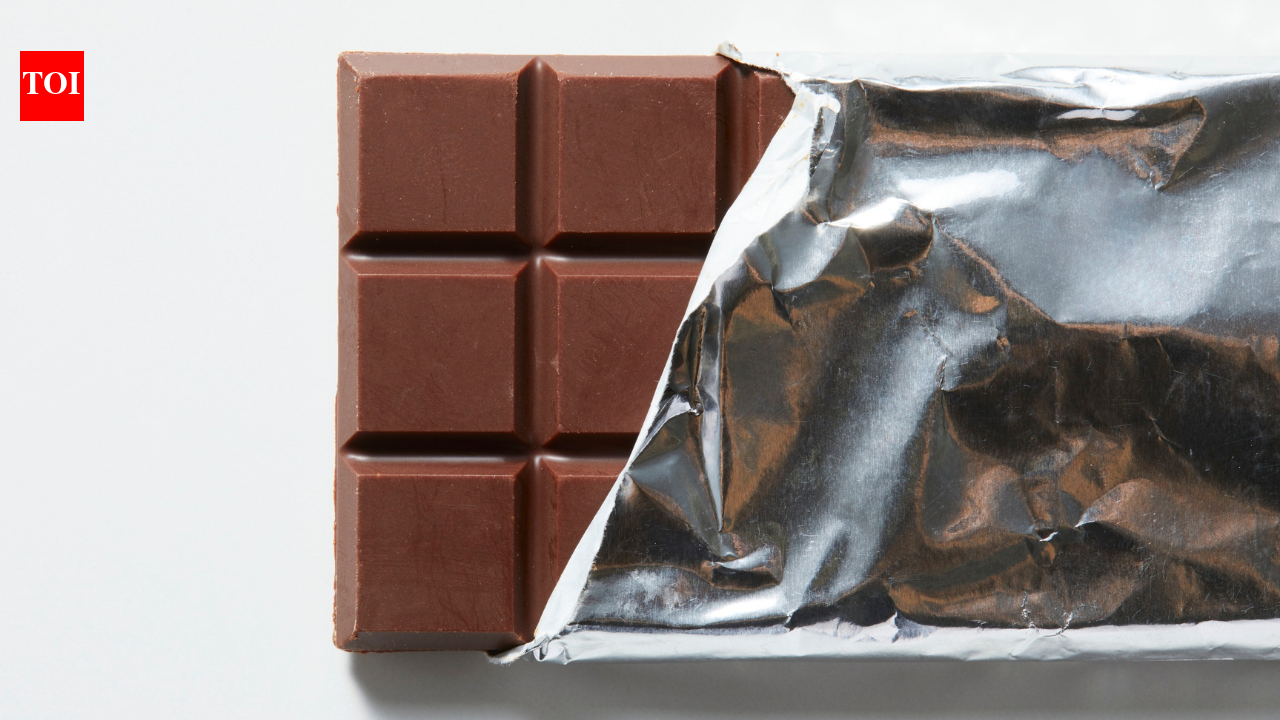
From luxury truffles to everyday chocolate bars, aluminum foil has long been one of the most recognizable forms of chocolate packaging. While its sleek metallic exterior adds a premium feel, its purpose goes far beyond aesthetics. Chocolate is highly sensitive to heat, moisture, oxygen and strong odors, all of which affect its texture, flavor and shelf life. Aluminum foil acts as an effective protective barrier, helping to maintain the quality of the chocolate from the time it leaves the factory to when it is opened. Although many modern products now combine aluminum foil with layers of paper or plastic, the principle is still the same. This is why chocolate is packaged in aluminum foil, and how this simple material has become an important part of candy packaging.
Why aluminum foil is the preferred packaging for chocolate
According to Henan Tandeli Metallurgical Materials Company, chocolate manufacturers began using aluminum foil in the early 20th century because it offered better protection than paper alone, while remaining lightweight, flexible and easy to mold onto delicate chocolate bars without damaging them. Unlike paper, aluminum creates a near-impermeable barrier to air, moisture and light, helping to preserve chocolate’s flavor, aroma and smooth texture longer. Its shiny metallic surface also gives the chocolate a more luxurious appearance, making it particularly attractive as a gift and premium confectionery. Manufacturers often pair foil with an outer paper sleeve to provide space for branding, product information and decorative designs while adding another layer of protection.Before the widespread use of aluminum foil, chocolate makers relied on wax paper, parchment paper, or tin foil to package their products. Although these materials provide some protection, they are generally less effective at preventing oxidation, moisture loss, and external odor contamination. As aluminum production expanded and became cheaper during the twentieth century, it quickly replaced older packaging materials because it was cleaner, lighter, nontoxic, and highly resistant to corrosion. Its excellent barrier properties not only extend shelf life but also help ensure that chocolate retains its unique taste and quality from factory to consumer, making aluminum foil the industry standard for decades.
How aluminum foil protects chocolate from spoiling
According to Jiangsu Hanlin Pharmaceutical Packaging Technology Co., Ltd., one of the biggest advantages of aluminum foil is that it can well block oxygen, moisture and light. Exposure to oxygen gradually causes the fats in chocolate to oxidize, resulting in a stale flavor over time. The moisture changes the texture of the chocolate and encourages the formation of icing sugar crystals, which rise to the surface and form a white, grainy coating.Aluminum foil also blocks UV rays, which can degrade flavor compounds and reduce product quality during storage. By sealing out air and moisture, aluminum foil helps chocolate retain its smooth texture, rich aroma and characteristic crispness longer than individual paper packaging.
Why chocolate is sensitive to heat and smell
Chocolate contains cocoa butter, a natural fat that melts at temperatures close to body temperature. This gives the chocolate a smooth, melt-in-the-mouth texture, but also makes it susceptible to warm conditions. Aluminum foil helps reduce rapid temperature changes by reflecting radiant heat, but it won’t prevent the chocolate from melting if it’s exposed to high temperatures for an extended period of time.Another important property of aluminum foil is that it prevents the chocolate from absorbing surrounding odors. If left unprotected, cocoa butter can easily absorb the strong odors of foods like onions, spices, or coffee. The foil barrier helps preserve the chocolate’s original aroma and flavor throughout shipping and storage.
Why are so many chocolates now packaged in layers?
Modern chocolate packaging often combines aluminum foil with paper, cardboard or recyclable plastic film. Each material has a different purpose. The foil provides the primary protective barrier against light, air and moisture, while the outer packaging adds durability, branding, tamper resistance and consumer messaging.Many manufacturers are also developing thinner foil layers and recyclable packaging materials to reduce environmental impact while maintaining the same protective properties. Advances in packaging technology continue to balance food preservation with sustainability goals.
Uncovering the true purpose of chocolate foil
The shiny foil surrounding the chocolate is more than just decorative packaging. It plays a vital role in maintaining flavor, texture and freshness by protecting chocolate from oxygen, moisture, light, heat and undesirable odors. Its flexibility, durability and barrier properties have made it one of the confectionery industry’s most effective packaging materials for more than a century. Even as sustainable packaging continues to evolve, the science behind aluminum foil remains an important reason why chocolate reaches consumers in optimal condition.