
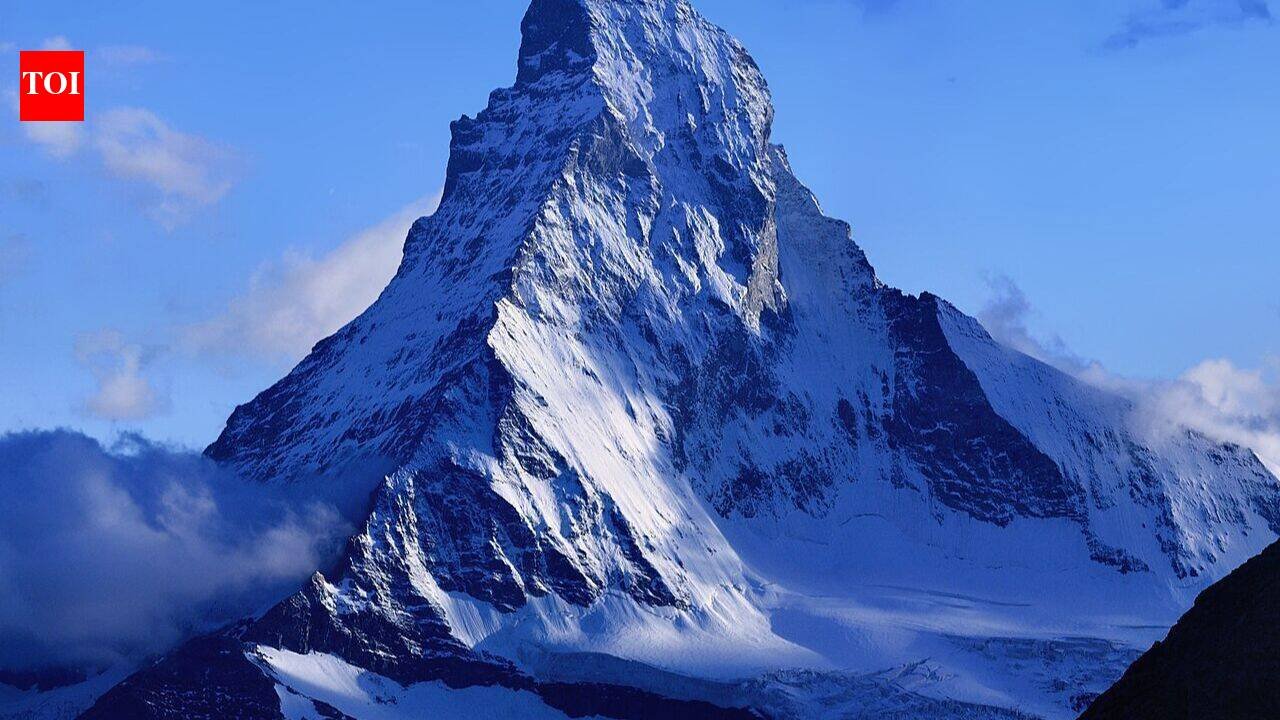
There is no single reason why a country ends up being the coldest on Earth. In some cases, the reason lies in geography, with vast territories stretching into the Arctic. Elsewhere, towering mountains maintain cooler temperatures despite being far from the poles. Average annual temperatures often reveal conditions different from those experienced by travelers during a short visit. A country may enjoy warm summers and still be one of the coldest because winter takes up most of the year. Based on average temperature data, these ten countries record the coldest climates in the world, each with its own landscape, elevation and location.according to world population reviewview the list of the coldest countries in the world in 2026.
The 10 coldest countries in the world in 2026 (based on annual temperature)
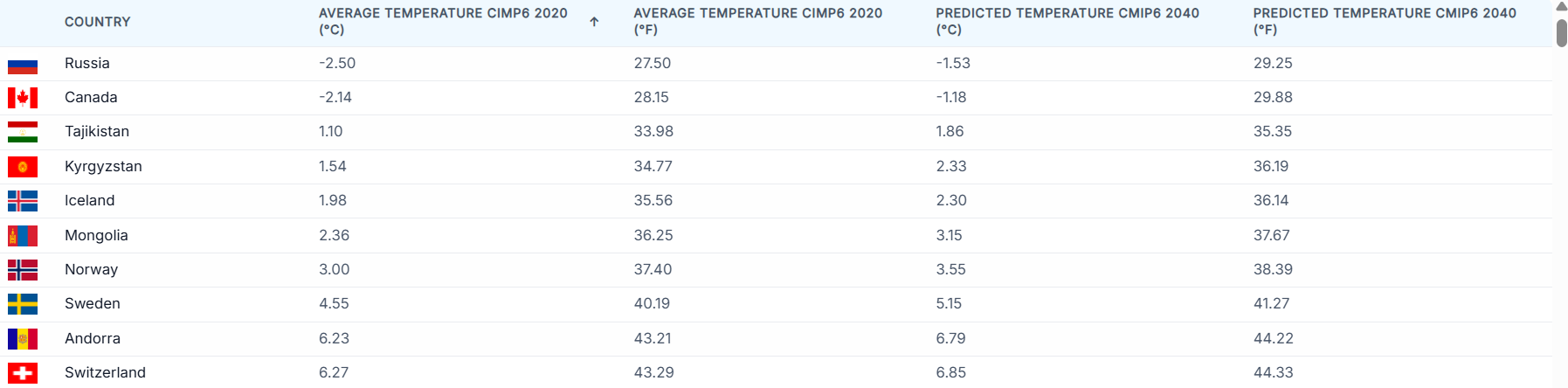
Source: World Population Review
Source: World Population Review
Ranking of the coldest countries in the world in 2026
1.Russia
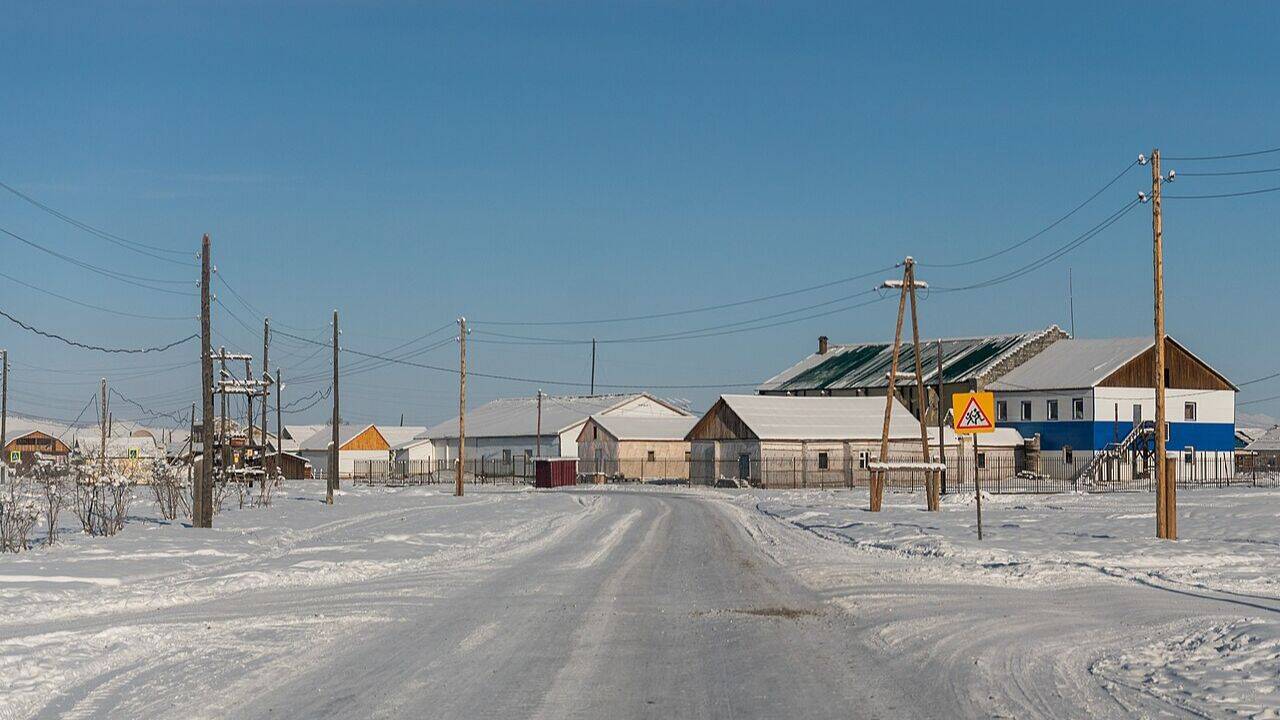
Computer: Wikipedia
Average temperature: -2.50°CRussia occupies more land than any other country, with much of its territory located in areas where winter dominates. Across large swathes of Siberia, frozen ground, snow-covered forests and long periods of darkness are common features of the colder months.The country’s vast size means climate conditions vary widely, but large areas in the north and interior remain cold enough to push the national average temperature below zero. Long winters have a greater impact than relatively mild summers in some western areas.2. Canada
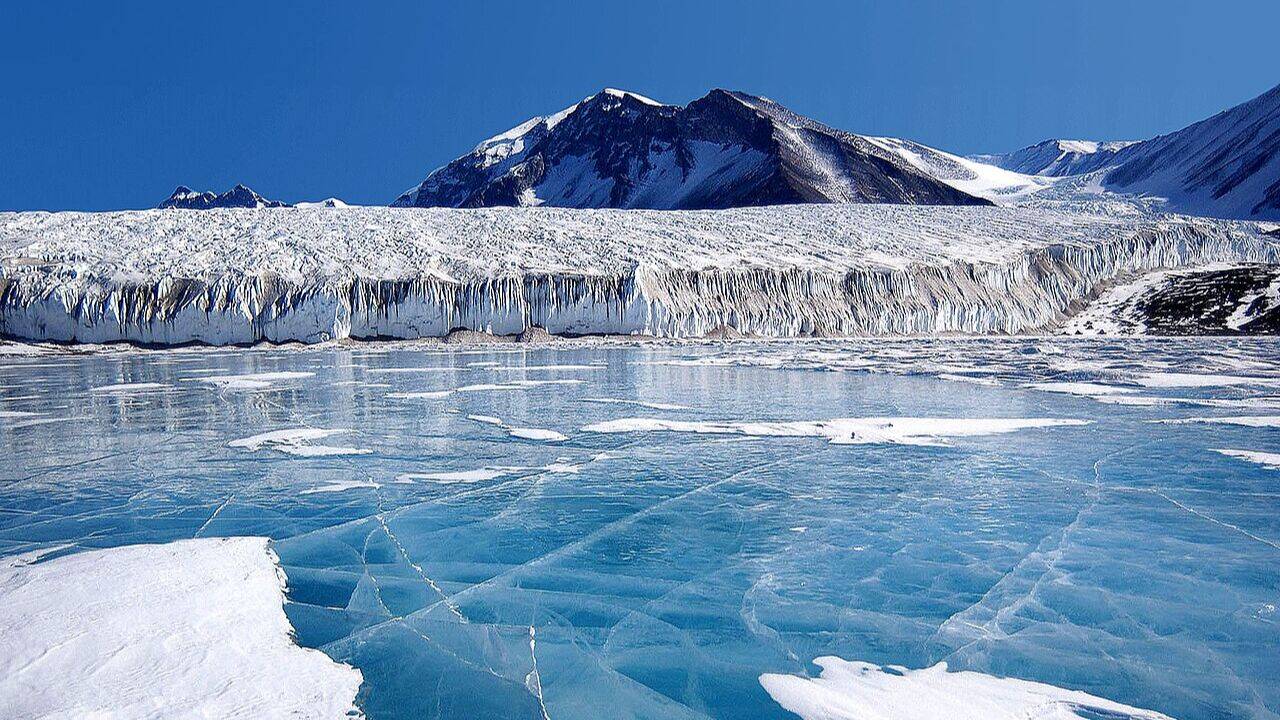
Computer: Wikipedia
Average temperature: -2.14℃Canada’s proximity to the Arctic helps explain its top spot in this ranking. Much of the country experiences a long winter, which arrives early and lasts until spring. Snowfall is common in most areas.While major cities along the southern border are generally warmer than areas to the far north, the country’s vast northern regions remain cold much of the year. These vast frozen regions heavily influence Canada’s overall average temperatures.3. Tajikistan
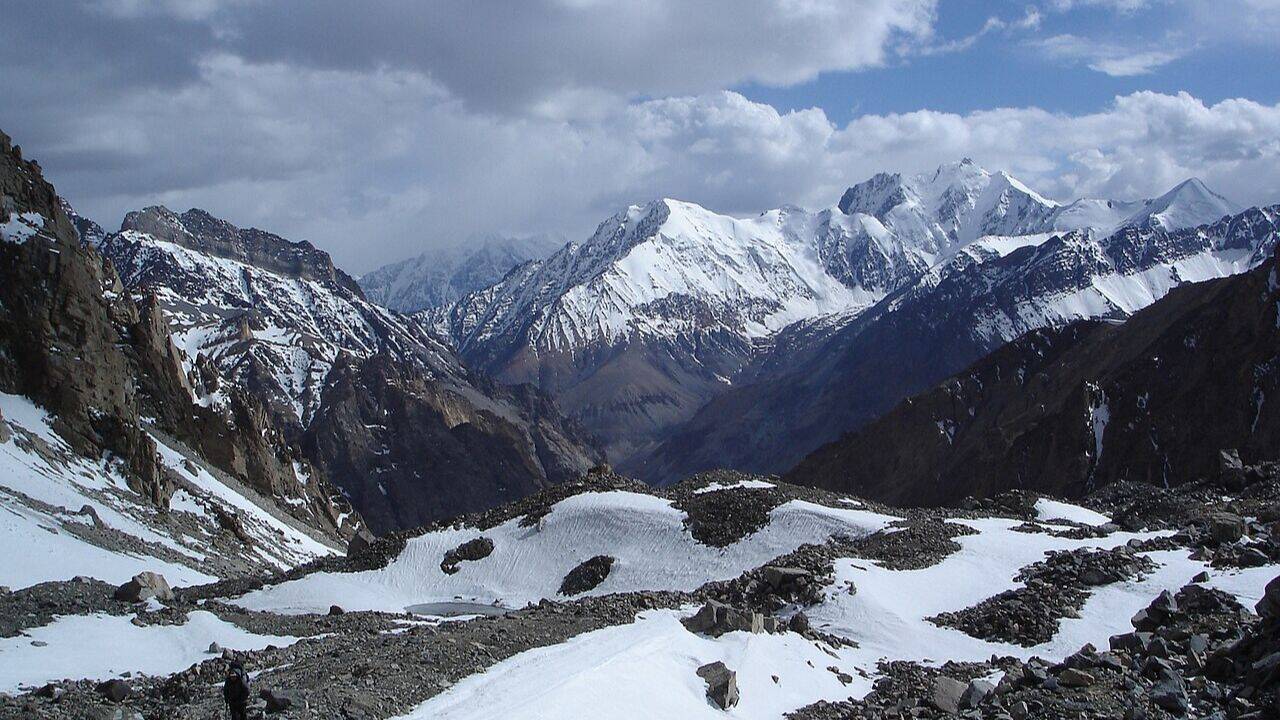
Computer: Wikipedia
Average temperature: 1.10°CMountains write Tajikistan’s climate story. Much of the country rises dramatically in elevation, resulting in a climate that is significantly cooler than the surrounding lowland areas. Towering peaks and towering valleys dominate the landscape.Even during the warm season, many places maintain relatively mild temperatures due to their altitude. The country’s rugged terrain has a greater impact on annual temperatures than its location in Central Asia would suggest.4. Kyrgyzstan
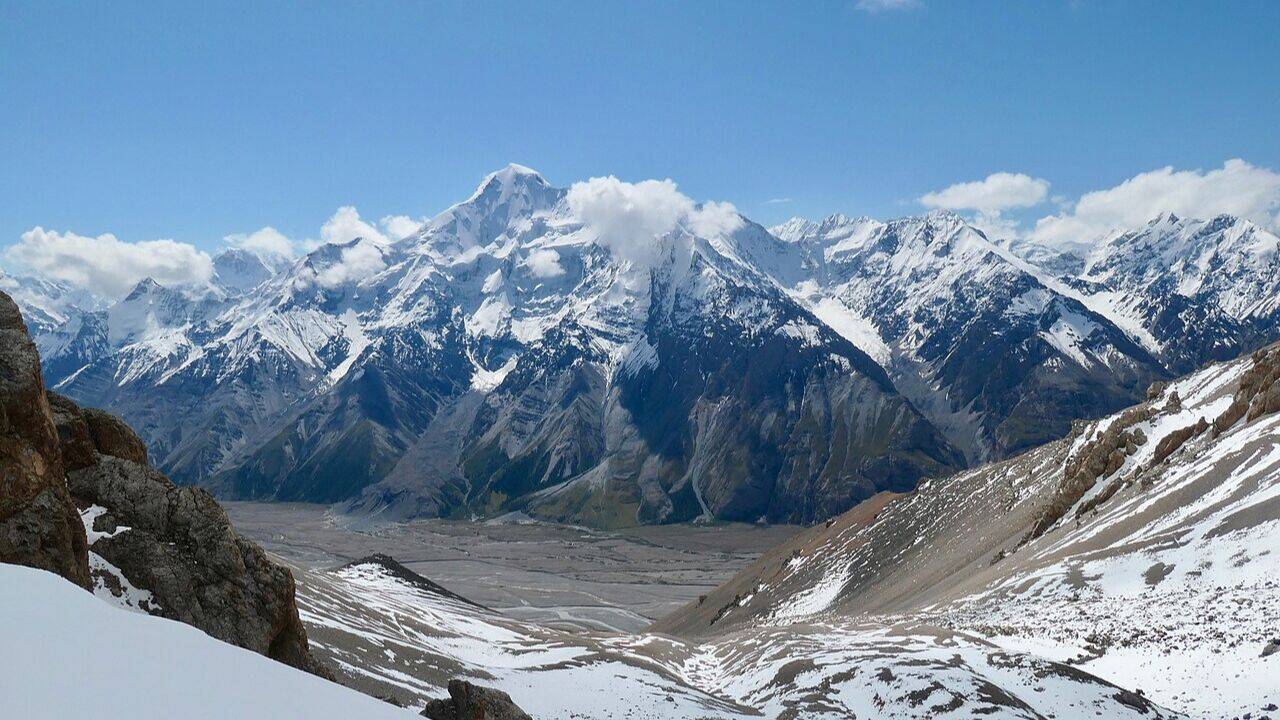
Computer: Wikipedia
Average temperature: 1.54°CKyrgyzstan shares many climatic similarities with its mountainous neighbors. Snow-covered mountains span much of the country, influencing weather patterns in many areas and limiting seasonal warming.Life at high altitudes generally revolves around a climate that remains cool for much of the year. Although the lower valleys get warmer in the summer, the vast mountainous terrain keeps the country’s average temperatures among the lowest in the world.5.Iceland
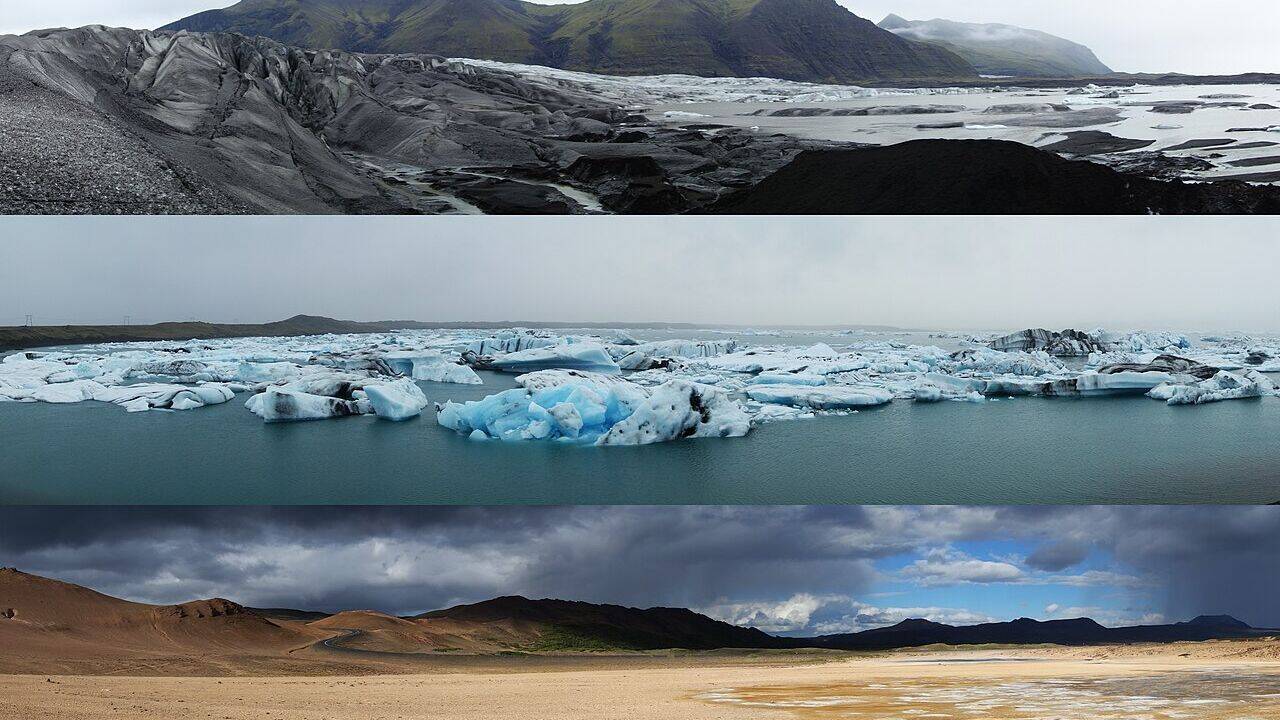
Computer: Wikipedia
Average temperature: 1.98°CDespite its proximity to the North Pole, Iceland is not as cold as many people think. The surrounding ocean softens extreme temperatures, preventing conditions from becoming as severe as in some continental interiors.Still, warmth is rarely the defining characteristic of Iceland’s climate. Cool summers, regular winds and vast glacial landscapes contribute to average annual temperatures, putting the country comfortably in this ranking.6. Mongolia
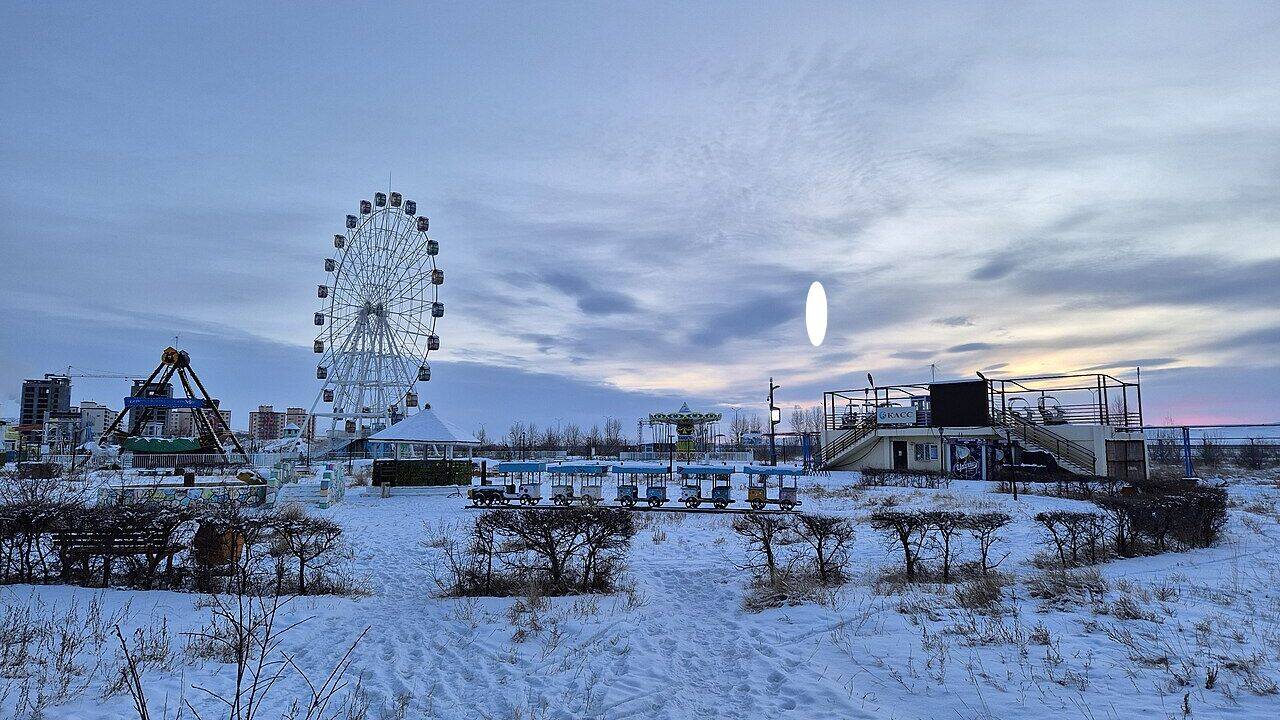
Computer: Wikipedia
Average temperature: 2.36℃Mongolia’s climate has sharp contrasts among the four seasons. Its inland location means year-round temperature changes are virtually unaffected by the ocean.Winters are particularly harsh in the country’s open grasslands and plateaus. Cold air flows freely across these vast expanses of land, creating conditions that persist long enough to keep average annual temperatures relatively low.7.Norway
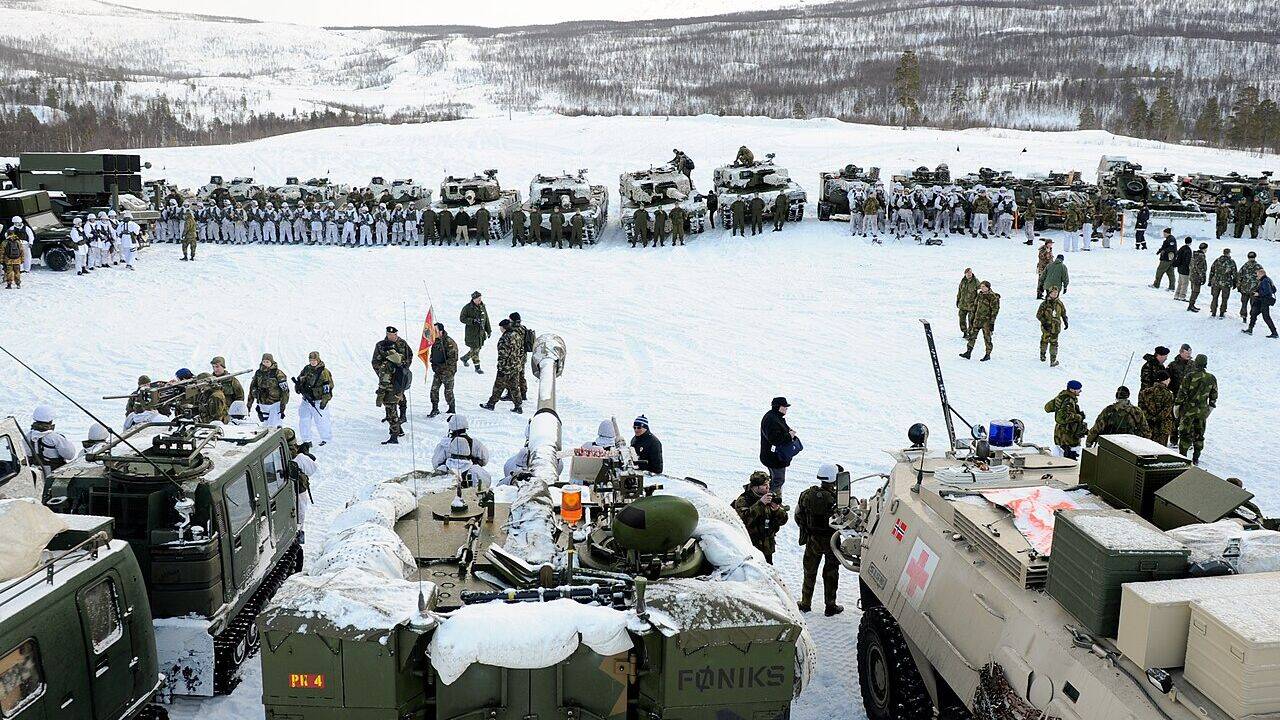
Computer: Wikipedia
Average temperature: 3.00°CNorway is home to rugged mountains, deep fjords and high northern latitudes. These geographical features create climates that vary widely from one region to another, although cold weather remains a common part of life in much of the country.The coast benefits from the influence of the ocean, which moderates extreme winter weather. However, the climate in the interior and northern regions tends to be much colder, which helps Norway maintain its status as one of the coldest countries in the world.8. Sweden
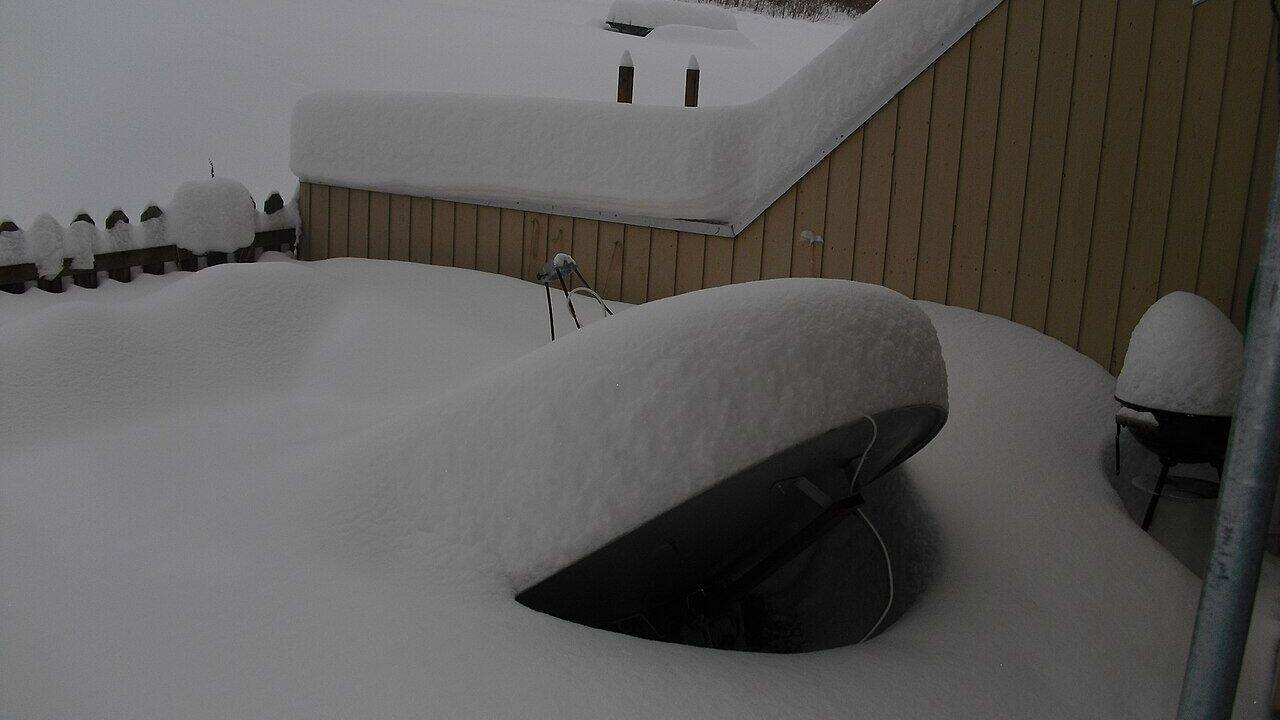
Computer: Wikipedia
Average temperature: 4.55°CSweden spans much of Northern Europe, stretching from relatively mild southern regions to areas with harsher winters. This vast geographical range creates huge climatic differences within the country.Northern Sweden often experiences long snow seasons and limited daylight during winter. These cold areas significantly affect the national average, keeping Sweden within the top ten.9. Andorra
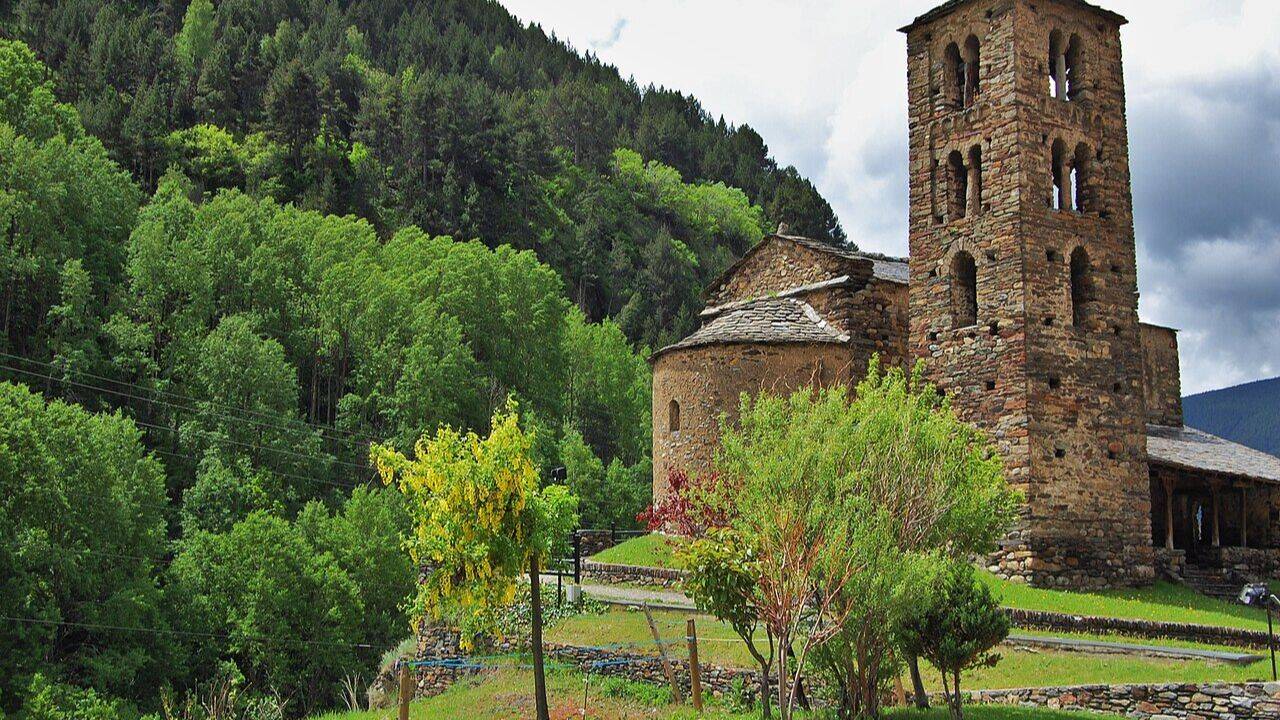
Computer: Wikipedia
Average temperature: 6.23℃Although Andorra is small in size, it has a high altitude and a cool climate due to its location within the Pyrenees Mountains. Slopes and elevated valleys dominate the landscape, influencing weather conditions throughout the year.Even in summer, the country’s altitude limits how much temperatures can rise. As a result, Andorra’s annual average levels are lower than many of the larger European countries located at equivalent latitudes.10.Switzerland
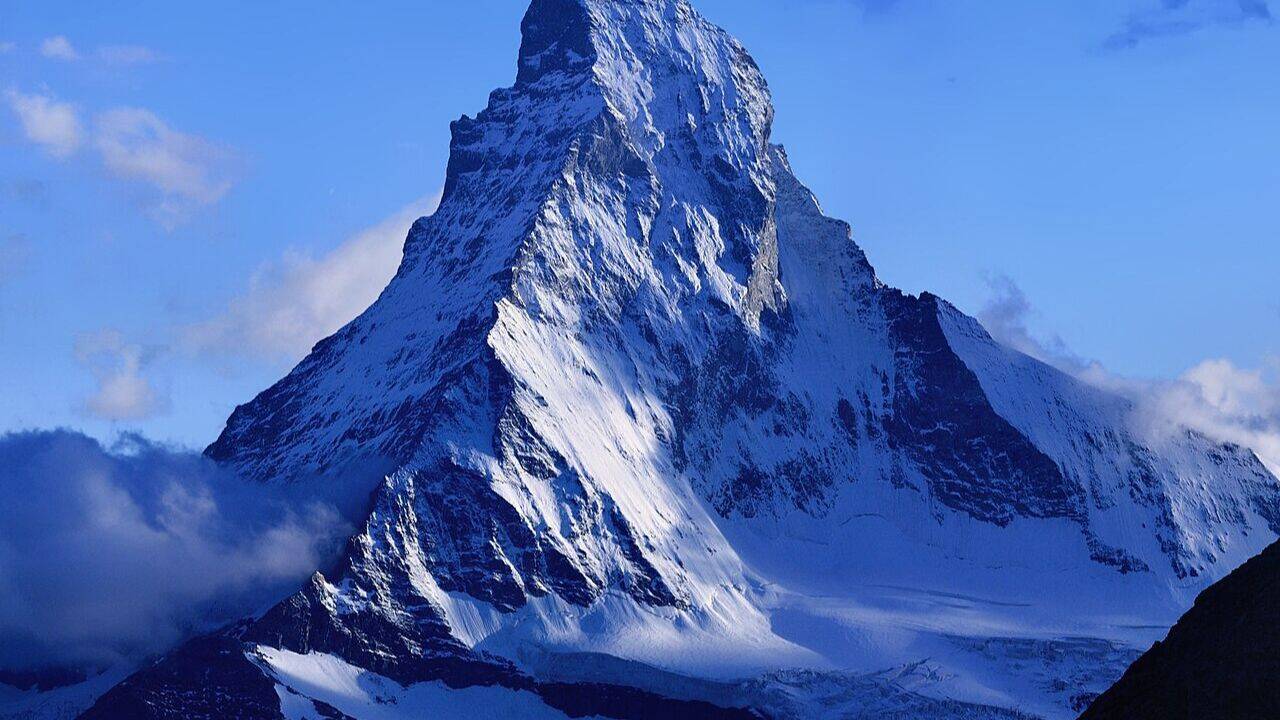
Computer: Wikipedia
Average temperature: 6.27℃Switzerland’s climate is closely related to the Alps, which cover much of the country. These mountains influence everything from snowfall patterns to seasonal temperatures.Altitude plays an important role in keeping temperatures cooler than in much of Central Europe. Although lowland areas can experience pleasant summers, the vast alpine terrain continues to have a strong cooling effect on the national average.