
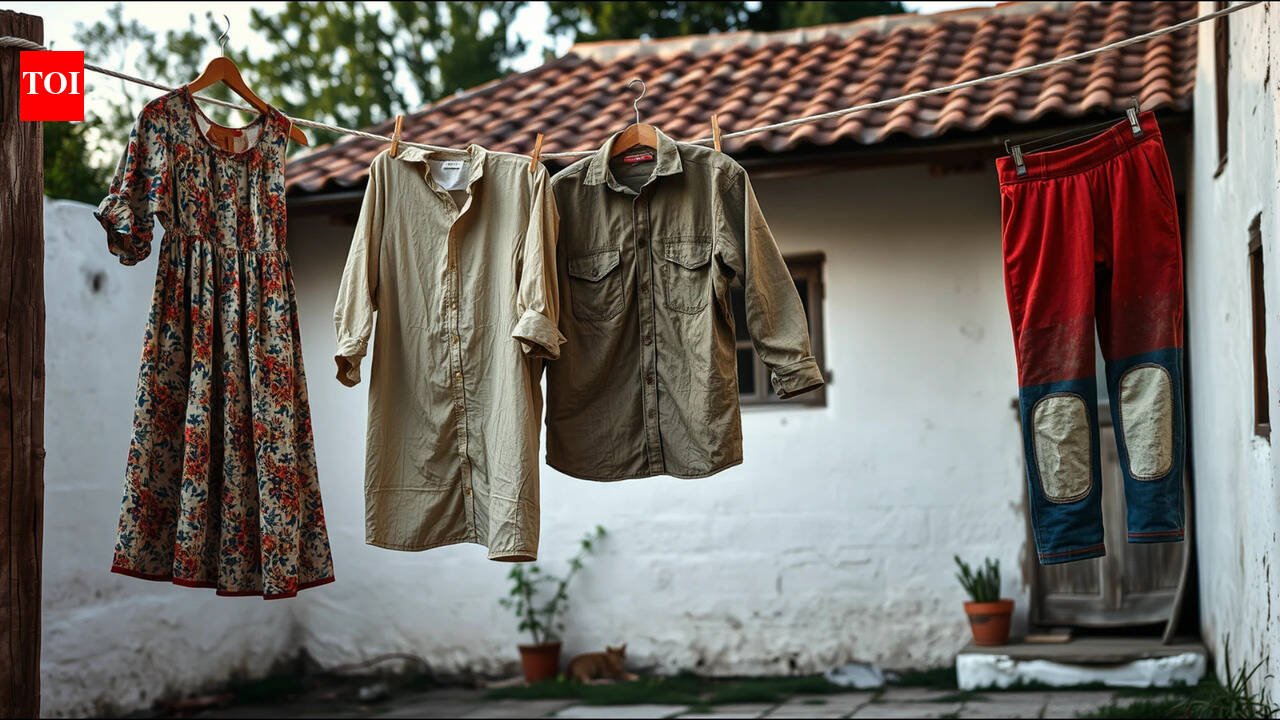
Of the many proverbs that appear in Bulgaria’s long rural tradition, few express the value of caution and self-reliance as vividly as this one: “If you don’t mend your old clothes, you won’t be able to wear new clothes.” This proverb may seem to offer practical advice about repairing worn-out clothes, but beneath its simple imagery lies a broader philosophy involving sustainability, patience, responsibility, and proper stewardship of life’s resources. Bulgarians have lived in agricultural communities for centuries, where waste could mean hardship, and careful management could determine whether a family survives a difficult winter. In such a world, mending old clothes is more than just a chore; it’s evidence of foresight, discipline, and respect for the value of labor. This proverb is a reminder that those who neglect what they already have are unlikely to acquire or successfully manage better things in the future.
Part of life in Bulgaria
This saying comes from the reality of traditional Bulgarian life. Until the late nineteenth and early twentieth centuries, most Bulgarians lived in villages, where clothes were handmade at home. Wool comes from sheep, flax and hemp are grown in nearby fields, and every stage of producing cloth, from spinning and weaving to dyeing and sewing, requires countless hours of hard work. A shirt, coat, apron or blanket requires weeks of effort rather than being purchased quickly from the market. Because each piece of fabric requires a lot of labor, no sensible household would throw away a piece of clothing simply because it has a tear. The holes were sewn, the elbows were reinforced, the collars were replaced, and patches were carefully sewn where the wear was. Many garments have been used for decades, passed down from older siblings to younger siblings, and are often used for several generations before eventually being cut into cleaning rags or quilts. Waste is considered both impractical and morally irresponsible because it shows disrespect for the work that went into making the item.In this context, the proverb takes on a deeper meaning. It’s not just that repairing old clothes will put off buying new ones. Rather, it teaches us that the habit of caring for what you already have can develop the character necessary to obtain something better. A person who refuses to repair a small wound because it seems inconvenient may also be neglecting a larger responsibility. People who are unable to preserve what they already have often lack the patience, discipline, and appreciation needed to benefit from future opportunities. The proverb thus shifts the focus from the object itself to the habits of the individual. Success is not about good luck, but the reward for sustained attention and responsible behavior.
moderation and sustainability
This proverb sounds very modern as the fashion world is advocating for staying fashionable these days. The lesson offered by this proverb reflects a broader pattern in Bulgarian folk culture, where diligence and moderation are prized over displays of wealth. Bulgaria’s history is filled with periods of foreign domination, economic difficulties, wars and political turmoil. For ordinary families, prosperity is difficult to guarantee and often relies on making full use of limited resources. Folk songs, stories and proverbs repeatedly praise those who save seeds for the next planting season, repair tools instead of throwing them away, and prepare carefully for hard times. Within this cultural framework, mending old clothes symbolizes a mindset that values endurance over luxury. This proverb celebrates not poverty but the wisdom of making use of what one already has.This metaphor naturally extends beyond clothing to all areas of human life. For example, relationships require constant attention. Misunderstandings can arise in friendships, disagreements can arise in marriages, and family relationships can sometimes become strained. The easiest reaction might be to abandon the relationship entirely and find something new, but this proverb suggests another approach. Just as a skilled tailor patiently repairs a torn garment, a thoughtful person repairs trust through honesty, forgiveness, and hard work. Those who refuse to repair damaged relationships often find that new friendships or partnerships have the same difficulty because the underlying habits never changed. Learning to fix something that already exists is often the first step to building something more powerful.The same principles apply to education and personal growth. Many people dream of advanced opportunities but ignore the knowledge they already have. A student who neglects basic skills cannot hope to master more difficult subjects. Musicians who avoid practicing scales are less likely to perform complex pieces with confidence. Apprentices who give up their daily tasks will struggle when entrusted with greater responsibilities. Therefore, the proverb holds that progress depends on respecting its foundations. Mending rags means strengthening existing capabilities before seeking new achievements, because lasting success comes from careful preparation, not hasty ambition.Economic life provides another illustration of the proverb’s enduring relevance. Modern society often encourages continual consumption, viewing each new product as an improvement on the last. Smartphones, cars, clothing and home appliances are often replaced before the end of their useful life. A Bulgarian proverb quietly challenges this attitude by emphasizing maintenance rather than replacement. People who take good care of their belongings typically spend less money, waste fewer resources, and become more financially stable over time. This does not mean resisting innovation or refusing to buy new things that are really needed. Instead, it encourages thoughtful consumption based on necessity rather than impulse. The discipline learned from protecting your existing property often creates financial security, ultimately making better purchases possible.Environmental issues have given new meaning to this proverb in the twenty-first century. Around the world, millions of tonnes of clothing are discarded every year, with much of it ending up in landfill despite still being usable. The rapid rise of cheap “fast fashion” has shortened the lifespan of clothing while increasing pollution, water consumption and textile waste. Long before environmental sustainability became a global concern, Bulgarian villagers made a habit of reducing waste through restoration, reuse and careful maintenance of nature. The proverb thus refers not only to personal character but also to responsible stewardship of the world’s resources. It reminds modern readers that repairing rather than discarding is often a wise move, with benefits for families and the wider community. \
Happiness doesn’t always lie in new things
This sentence also contains important psychological insights. People often believe that happiness depends on acquiring something new—a better house, a higher salary, or a more stylish property. However, dissatisfaction often ensues as the habit of neglect remains unchanged. Those who don’t appreciate today’s opportunities rarely feel grateful simply because tomorrow will bring greater abundance. This proverb fosters a sense of gratitude by encouraging care for existing possessions. It teaches us that appreciation begins with recognizing the value of something that already exists, rather than constantly longing for something that doesn’t exist. This attitude produces a more stable sense of satisfaction than an endless pursuit of novelty.Although this proverb is rooted in rural life, it remains relevant as every generation encounters situations that require maintenance rather than replacement. Businesses must improve existing systems before expanding. Governments must repair neglected infrastructure before embarking on major new projects. Communities thrive when historic buildings are preserved rather than abandoned. Even personal health follows the same principle, as minor problems addressed early can often prevent serious illness later on. The image of the patchwork garment continues to resonate because it expresses a universal truth: neglect rarely creates opportunity, but careful attention sets the stage for future success.This proverb is not against progress or ambition. It does not mean that one should always be content with a dilapidated property or reject the possibility of improvement. Instead, it insists that real progress begins with responsibility. New opportunities are most valuable to those who respect what they already have. Patched clothing became a symbol of discipline, patience, and gratitude, qualities that enabled individuals to wisely utilize greater prosperity when it came.bulgarian proverb “You can’t wear new clothes without mending old clothes.” More than just practical advice on clothing. It expresses the Bulgarian philosophy shaped by centuries of experience that survival depends on serious labor, resourcefulness and respect for the results of work. This proverb tells us that lasting prosperity is built through small, ongoing acts of responsibility, not sudden wealth. By encouraging people to preserve, restore and appreciate what they already own, it offers lessons that remain as valuable in the era of consumer disposables as they did in the villages where they first formed. Its enduring wisdom lies in the recognition that the path to better things almost always begins with taking good care of what we already have.