
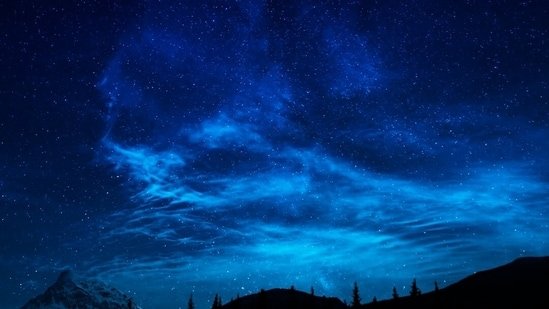
July 2026 It’s going to be an exciting month for astronomy enthusiasts. Skywatchers can look forward to bright views of Venus after sunset, close encounters of the Moon and Mars before dawn, the best viewing window of the year for the Milky Way, and the start of the Perseid meteor shower.

This month will feature a full stag moon and two meteor showermaking July one of the busiest months for celestial activity.
The most critical observation period in July begins after the last quarter moon on July 7 and lasts until the new moon on July 14.
Here’s everything you should know about the July 2026 celestial event.
Also read: Astronomers discover giant ring system causing star’s rare nine-month dimming
The most worth-watching celestial phenomena in July
1. Wednesday, July 8: Bright Venus will appear near Regulus, the brightest star in the constellation Leo. The two stars will be about a degree apart and will create one of the most dramatic night views this month.
2. Saturday, July 11: On this day before sunrise, a thin, 13% bright waning crescent will appear near Mars, Aldebaran, and the Pleiades star cluster in Taurus. Forbes describes it as one of the most beautiful celestial alignments in July.
That same weekend, the Manhattan Arcade returned to New York City. On July 11th and 12th, the setting sun aligned with Manhattan’s street grid, creating spectacular sunsets along east-west streets.
3. Friday, July 17: After sunset, a waxing crescent moon will shine near Venus. The day also marks the start of the annual Perseid meteor shower, one of the most famous meteor shows in the world.
Although the meteor shower officially begins in July, its peak will arrive on August 12, when dark skies are expected to provide excellent viewing conditions.
Also read: July 2026: Why this could be one of the most powerful months in astrology, says one expert
Buck Moon and meteor shower end the month
4. Wednesday, July 29: The biggest lunar event of the month occurs on this day, when the full moon reaches its peak at 10:36 AM ET. While the exact Full Moon occurs during the day for many observers, the Moon will appear brightest shortly after sunset that evening when it rises in the southeast.
Buck Moon gets its traditional name because male deer (called stags) begin growing new antlers during this period. The name comes from Native American seasonal traditions and has been widely adopted in modern astronomy guides.
5. Thursday, July 30 to Friday, July 31: July ends with two meteor showers peaking between July 30 and July 31. The southern Delta Aquariids can produce about 25 meteors per hour under ideal conditions, while the Alpha Capricornids are known for their bright fireballs, although they produce fewer meteors overall.
This year, however, the bright light of the recent full moon will reduce the visibility of many faint meteors.