
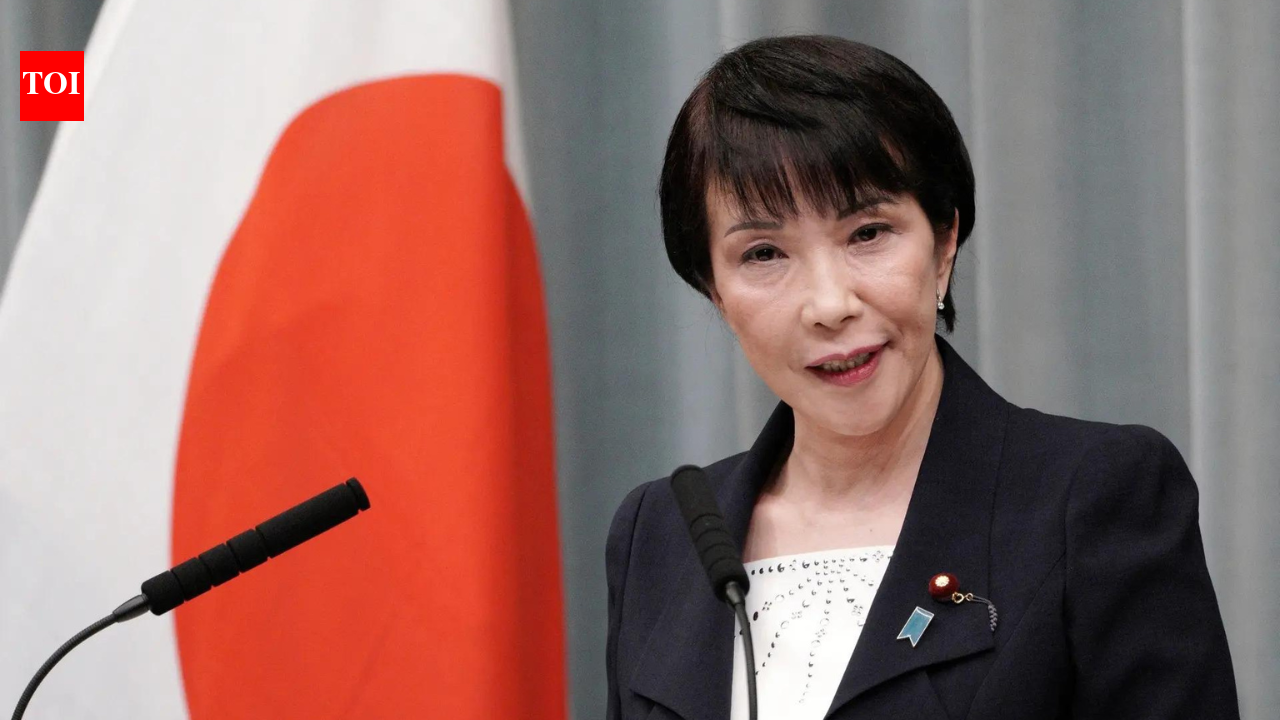
Japan’s parliament will add two more women’s toilet cubicles, officials said on Thursday, after 58 female lawmakers signed a petition calling for more facilities to match their increased representation. In Japan, where gender roles are rigid and women are chronically underrepresented in politics, only 68 women were elected out of 465 seats in the last lower house election on February 17.The government says it wants women to hold at least 30% of legislative seats. A spokesperson for the House of Commons said in a statement that “there are only two female-only cubicles in the toilets next to the main hall, but this will be expanded to four after the end of this session of Parliament on July 17”.Plans to add more stalls on other floors are also being considered, she added (on condition of anonymity).“I welcome this move to improve, even if only a little bit, the severe shortage of women’s toilets for congressional staff and secretaries,” Eiko Nishioka, the only woman on the committee involved in approving the expansion, told local media.The bipartisan petition, which has 58 signatories, including Japan’s first female prime minister Takaichi Sanae, was submitted to the House Rules and Administration Committee in December. “Before the plenary session started, many female congressmen lined up in front of the restrooms,” one of the signatories, Yasuko Komiyayama of the opposition Cadet Party, said at the time.The Capitol building was completed in 1936, nearly a decade before women gained the right to vote in December 1945, following Japan’s defeat in World War II. According to the Yomiuri Shimbun, the entire House of Commons building has 12 men’s toilets, 67 stalls and 9 women’s toilets, for a total of 22 stalls.Last year, Japan ranked 118th out of 148 countries in the World Economic Forum’s Global Gender Gap Report. Women are also severely underrepresented in business and the media. Female candidates say they often have to face sexist taunts during elections, including being told they should stay home to look after their children.(This is a report from Agence France-Presse)