
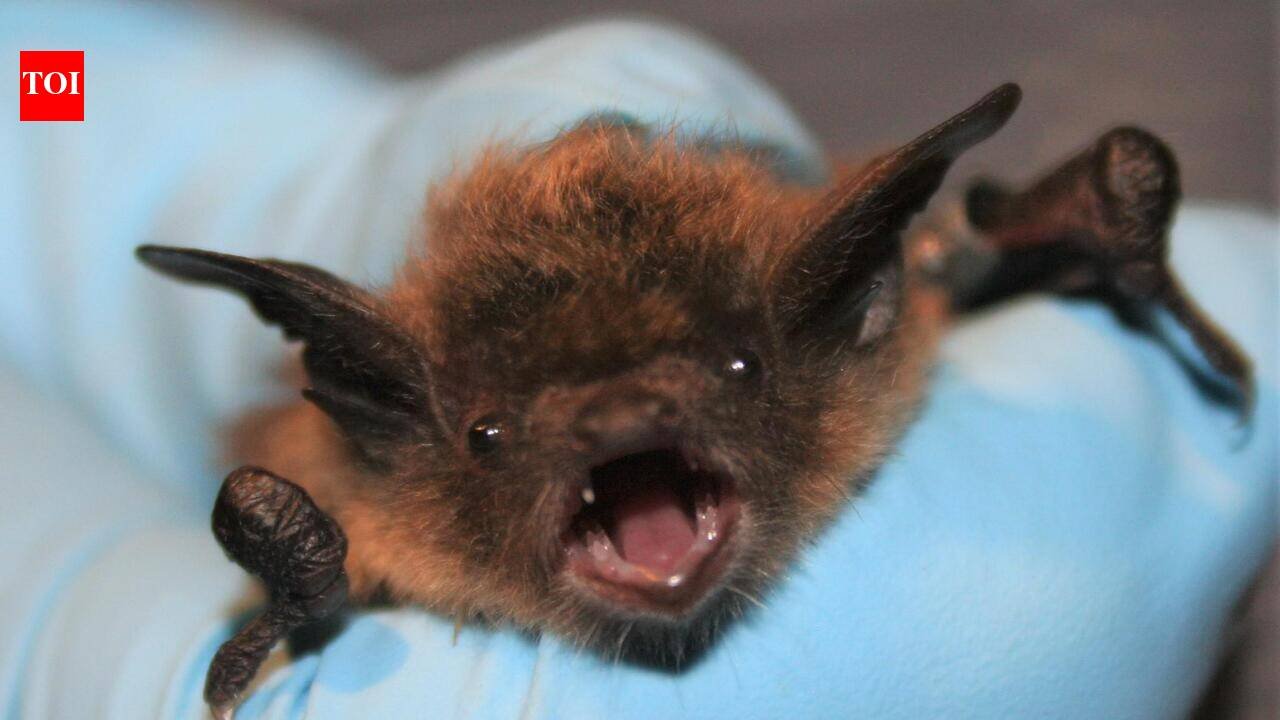
An 11-year-old boy died of rabies just 19 days after he woke up to find a bat lying on his nose and mouth while sleeping, in a heartbreaking medical case in Canada that has prompted doctors around the world to issue renewed warnings. The child had no visible bite or scratch marks, leading his family to believe there was no danger. But by the time symptoms appear, it’s too late.The case, detailed in the Canadian Medical Association Journal (CMAJ), involves a boy who encountered bats in the summer of 2024 while living with his family in a cabin in northern Ontario. Medical experts say the tragedy highlights an important public health message: Any direct contact with bats should be considered a potential rabies exposure, even if there is no obvious harm.Rabies remains one of the world’s deadliest infectious diseases. It is almost always fatal once symptoms appear, but is almost entirely preventable if treatment is started immediately after exposure. Doctors involved in the case said the family decided to share their son’s story in the hope that others would recognize the risks more quickly and seek life-saving medical care.
Bat encounter turns rabid
According to medical reports, the boy was sleeping when he woke up to find a bat sitting on his nose and mouth. Startled, he knocked the bat away while his father caught it in the pot and put it outside. Because the child had no visible bite or scratch marks and the bat did not appear to be behaving abnormally, the family did not seek medical advice or rabies post-exposure treatment.Nineteen days later, the boy began to experience unusual symptoms. He initially experienced tingling and numbness on one side of his face, followed by facial swelling, vomiting and loss of appetite. Doctors initially suspected Bell’s palsy was related to a herpes infection and prescribed antiviral medication, but his condition continued to worsen.Within a few days, he developed pain on swallowing, slurred speech, fever, weakness on one side of his face, confusion, and visual hallucinations. After admission, his neurological status deteriorated rapidly. He was transferred to the Pediatric Intensive Care Unit (PICU), where infectious disease experts strongly suspected rabies due to previous exposure to bats. Laboratory testing later confirmed infection with a bat rabies virus variant. Despite careful treatment, the child died on the 17th day of hospitalization after the life support system was removed.
Doctors warn
Medical experts say the tragedy highlights one of the biggest misconceptions about rabies: People only need treatment when they notice a bite.Because bats have very small and sharp teeth, bites may leave little or no visible traces, especially if someone is sleeping when the exposure occurs. Therefore, health authorities consider any direct contact between humans and bats to be high risk, regardless of whether the wound is visible or not.The doctors behind the case report stressed that rabies post-exposure prophylaxis (PEP) – a combination of rabies vaccine and human rabies immune globulin – is highly effective when given before symptoms appear. However, once symptoms appear, there is no reliable treatment to cure the disease, and death usually occurs within one to two weeks.“Bats may or may not exhibit classic symptoms of rabies; therefore, any direct contact between humans and bats is considered high risk,” the doctors wrote in the journal.Dr. Brian Hummel, a pediatric infectious disease specialist involved in the case, said the family decided to publish their son’s story to help others recognize the danger. “If you get symptomatic rabies, almost everyone will be fatal. But if you take precautions before symptoms appear, almost everyone will be successful.”
Rabies cases are rare but fatal
Although rabies is uncommon in Canada, health authorities say the disease remains a serious public health threat as infected wildlife continues to spread across North America.The boy’s infection is reported to be the first locally acquired human rabies case in Ontario since 1967. Since 1924, only 28 human rabies cases have been recorded across Canada, and the Centers for Disease Control and Prevention (CDC) reports that fewer than 10 people die from rabies in the United States each year.However, rabies remains a major health challenge globally. The disease kills tens of thousands of people each year, mainly in Asia and Africa, with children under 15 accounting for about 40% of cases, according to the World Health Organization (WHO). Although approximately 99% of human rabies infections worldwide are caused by dogs, bats have become the primary source of human rabies transmission in North America because vaccination programs have significantly reduced infections associated with livestock.
What should you do after coming into contact with a bat?
Doctors say the lesson from this tragedy is clear: Never wait for symptoms to appear before taking action.Anyone who wakes up and finds a bat in their room, has direct physical contact with a bat, or suspects they may have been bitten or scratched should immediately wash the wound thoroughly with soap and water, seek emergency medical care and contact local public health authorities. If early treatment with rabies vaccine and immune globulin is given before symptoms appear, infection can be prevented almost every time.For the young boy’s family, sharing his story is a way to ensure others don’t unknowingly make the same mistake. Their son’s case is a powerful reminder that when it comes to rabies, what you can’t see can be just as dangerous as what you can.