
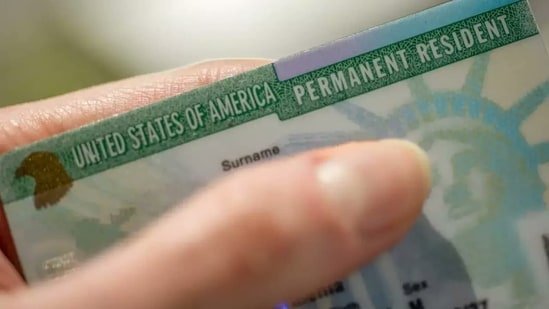
The Trump administration is tightening its grip on the law migrantimplemented a series of policy changes in July that will limit access to green cards and exacerbate the impact of application errors.

These updates incorporate new visa caps released by the Department of State in July 2026 visa The Notice of Federal Regulations expands the government’s authority to reject or deny applications due to technical errors, in addition to providing more comprehensive policy guidance emphasizing more rigorous case-by-case evaluation of residency applications.
U.S. Visa Announcement for July
July’s announcement showed escalating pressure on employment-based immigration, with various high-demand categories hitting annual caps. visa The employment-based second preference (EB-2) category for Indian applicants and India’s unreserved EB-5 investor visa are currently unavailable for the remainder of the fiscal year, indicating that further approvals will not be available before October.
The latest changes come as the U.S. immigration system faces increasing pressure due to visa backlogs and increased demand for permanent residence. For some applicants, these new restrictions may result in longer waiting periods, fewer available options, and more rigorous review of applications.
Visa restrictions are becoming more stringent
USA Country of Citizenship USCIS has been using a more restrictive “final action date” chart to determine eligibility for adjustment to employment category status, limiting applications to individuals whose priority dates fall within established deadlines.
New rules add consequences for mistakes
An interim final rule from the Department of Homeland Security, set to take effect July 10, gives U.S. Citizenship and Immigration Services greater authority to reject or reject applications that do not contain valid signatures.
Under this provision, a case may also be dismissed after acceptance, in which case the agency may withhold the filing fee.
Federal officials said the change was intended to standardize enforcement of filing requirements; however, it exacerbated the impact of administrative errors on applicants, who may need to restart a new application process and incur additional fees.
Continuous review of applications
The changes will also be incorporated into a May USCIS policy memorandum that emphasizes discretion in adjustment of status, the process that enables qualified applicants to seek permanent residence within the United States.
The agency describes adjustment of status as a discretionary relief option and directs officials to evaluate cases on an individual basis, considering a wide range of factors beyond eligibility.
While applicants who meet statutory criteria may still be eligible, approval is not guaranteed, and immigration attorneys say the guidance has led to increased uncertainty and closer scrutiny in some cases.
High demand for visas
Together, these measures signal increasing pressure on the legal immigration framework. U.S. legislation limits the number of employment- and family-based sponsorship green cards that can be issued each year. Officials cited high demand and high visa utilization as reasons to limit access and, in some cases, suspend approvals until the end of the fiscal year.
There was limited progress in July for the family sponsorship categories, with some categories improving slightly but still subject to annual caps.
Existing restrictions are expected to last until September 30, coinciding with the end of the financial year, when new visa allocations will be made available.
During this period, due to limited visa supply from agencies, applicants may experience extended processing times, reduced numbers of visas for certain employment categories, and more stringent enforcement of application regulations.