The Trump-Epstein Situation Room: The Situation Room with a View: Trump, Epstein and the Whispers of Washington’s “Wag the Dog”

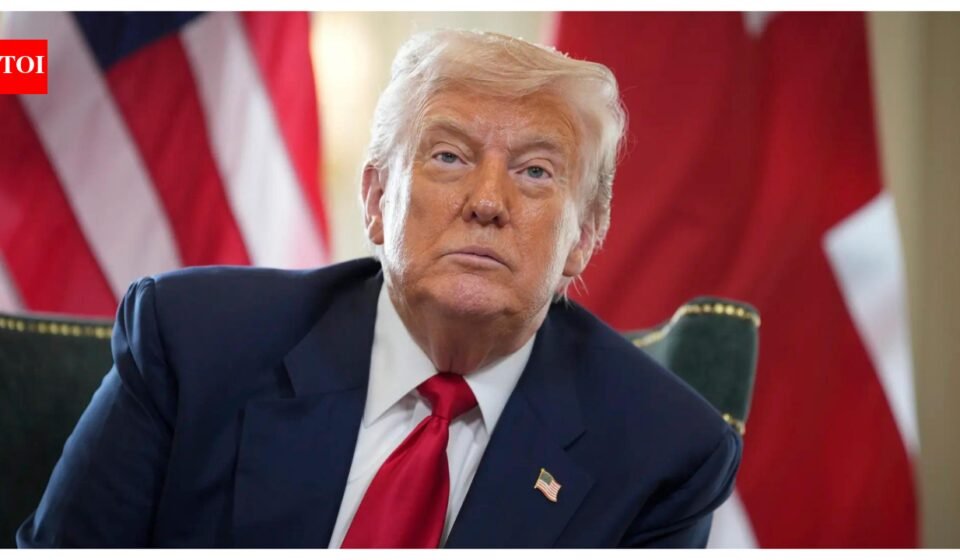
TOI reporter in Washington: The White House Situation Room was established during the Kennedy era of the Cold War and hosted some of the most important discussions in modern American history: the nuclear crisis, the raid that killed Osama bin Laden, responses to terrorist attacks, and wars abroad.According to a forthcoming book by New York Times reporters Maggie Haberman and Jonathan Swan, it has also sparked an unusual debate about Jeffrey Epstein, Tucker Carlson, Ghislaine Maxwell and whether, in the words of Vice President Vance, Donald Trump’s political woes have become “a huge problem.”Just when President Trump may have thought the Epstein saga was fading in the rearview mirror, Haberman and Swann’s book “Regime Change: Inside Donald Trump’s Imperial Presidency” appears determined to reposition the rearview mirror and bring it back into focus.Excerpts from the book, which has been published by The New York Times, describe senior administration officials gathering in a secure Situation Room in July 2025 to discuss the political ramifications of the government’s handling of the Epstein dossier, which the book calls a “White House Panic.” Vance reportedly pushed aggressively for transparency, warning colleagues that the problem would not simply go away.One of the more surreal aspects of the account involved discussions about whether to release documents containing titillating allegations about Trump’s alleged nipple obsession. Vance argued, according to excerpts, that Trump, who was not present at the meeting, had survived worse accusations and likely had “no problem” withstanding them.This is an assessment rooted in observable political realities. Trump has weathered the kind of accusations and controversies that would devastate most politicians: the Access Hollywood tapes, multiple accusations of sexual misconduct that he denies, civil lawsuits, criminal indictments, business fraud findings, two impeachments and a New York hush-money conviction. Throughout, his support among core MAGA voters has remained surprisingly resilient. If anything, many supporters interpret attacks on Trump as confirmation that he is fighting hostile institutions and the so-called “deep state.”Haberman and Swann’s reporting also tells how Vance came up with an idea worth discussing in the streaming series’ writers room: having Tucker Carlson interview Epstein associate Ghislaine Maxwell in the hope that she would publicly exonerate Trump. The proposal reportedly went nowhere.The accusations themselves stem from claims made years ago by Epstein accuser Sarah Ransom, who later admitted that some of the claims she made about having evidence involving powerful men were untrue, a fear that prompted her to make some statements and retract them. The specific allegations discussed in the Situation Room have not been proven in court, and Trump has denied wrongdoing.Their political significance, however, lies not in their evidentiary status but in their persistence. The Epstein affair has become Washington’s most impenetrable storyline. It periodically disappears beneath breaking news — tariffs, prosecutions, assassination attempts, wars — only to reappear with new intensity.Indeed, the timing of the Iran attack has drawn comparisons to the Bill Clinton era in the late 1990s. When Clinton ordered a military strike during the Monica Lewinsky scandal, critics accused him of employing a classic “wag the dog” tactic — a reference to the 1997 movie in which foreign conflicts were created to distract from presidential embarrassments.There is no evidence that Trump’s handling of Iran was motivated by concerns related to Epstein. But Washington’s conspiratorial imagination, once activated, rarely respects speed limits.Trump’s political campaign, meanwhile, has remained largely undisturbed. To critics, this reflects a cult of personality. For supporters, it demonstrates loyalty to a leader they say has been treated unfairly for a decade.Regardless, it represents one of the defining features of contemporary American politics: scandal fatigue combined with tribal intransigence. Epstein’s file is like an unwelcome tenant without a return ticket who simply refuses to leave.