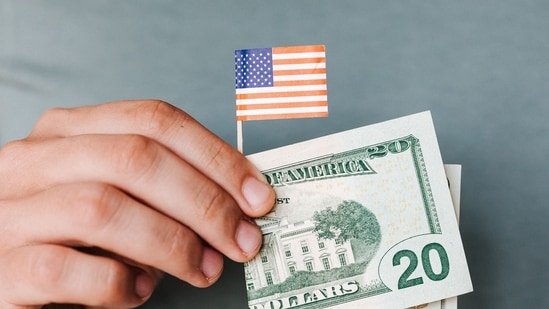
With inflation likely to climb to 4.2% in May, Americans face higher daily costs and consumer budgets across the country are strained

Americans are likely to see higher prices for everyday necessities, including milk, bread, meat, gasoline, rent and housing, utilities, health care and insurance. Inflation has been rising for months since tensions over the Iran war disrupted supply chains and fuel markets. The U.S. inflation report is expected to show consumer prices rose again in May, meaning everyday goods and services will become more expensive, according to Labor Department estimates.

Inflation rising in May 2026
Consumer Price Index (CPI) Report It will be released at 8:30 a.m. Eastern Time. Forecasters expect prices to rise about 0.5% in May, marking another monthly increase in costs. On an annual basis, inflation is expected to hit 4.2%, which would be the highest since February and the fastest rise in more than three years. Forecasters said “core inflation,” which excludes food and energy prices, is expected to rise 0.3% in May and 2.9% for the full year, indicating steady pressure on underlying costs.
America’s cost of living crisis
Inflation held steady at 2.4% in February, but has started to climb rapidly since then. According to CPI records, it rose to 3.3% in March and rose again to 3.8% in April, showing a clear upward trend. higher fuel price According to USA Today, supply chain issues are the main reason for rising commodity costs, resulting in higher production and transportation costs.
Impact on U.S. jobs and economy
The U.S. economy is also facing mixed signals, with jobs adding again after earlier job losses, according to labor market data. More than 100,000 jobs have been added each month over the past three months, indicating a hiring recovery. With the economy still buoyant, this job growth could make it harder for policymakers to decide when to cut interest rates.
Inflation public opinion survey
National poll of 3,000 people us A Verasight poll cited in the USA Today report showed that 80% of Americans believe inflation exceeding 3% is unacceptable, indicating strong public frustration. The same poll showed that 62% want inflation to remain at 2% or less, consistent with long-term economic goals. According to USA Today, Verasight CEO Ben Leff said many people feel their wages are not rising fast enough to match the cost of living, causing financial stress and uncertainty about jobs and hours.
Fed inflation target
The Fed targets 2% inflation, but current levels are still above that, meaning price stability has not yet been fully achieved. ConnectOne Bank CEO Frank Sorrentino said in a USA Today report that although 0% inflation sounds good, it would significantly slow economic growth and is unrealistic for a healthy economy.
According to the University of Michigan survey, consumer confidence fell sharply in May, falling to 44.8, the lowest level in more than 70 years of tracking. This means people feel very negative about the economy, with sentiment falling 10% in a month and 14.2% in a year.
Survey director Joanne Hsu noted that more than half of respondents (57%) said rising prices have directly harmed their personal finances. USA Today cited a University of Michigan survey analysis that showed low-income families and people without college degrees were the hardest hit as they spent more on necessities like fuel and daily needs.