
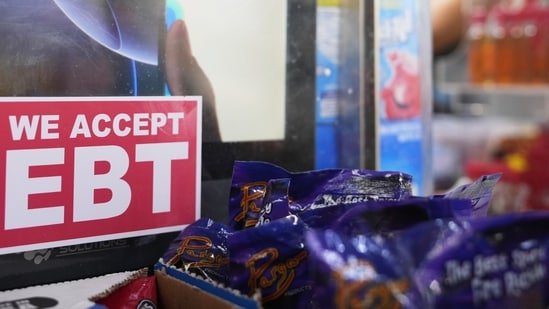
The Supplemental Nutrition Assistance Program (SNAP) plays a critical role in supporting low-income families in the United States. By 2026, multiple changes to the SNAP program will take effect in at least 18 states, with significant impacts on beneficiaries.

Junk Food Ban: Related to MAHA Initiative
The first big change is a ban on buying junk food break. This is part of the Trump administration’s Making America Healthy Again (MAHA) initiative. The effort focuses on tackling chronic disease and encouraging healthier eating habits across the country.
“With the MAHA initiative, we are taking bold, historic steps to reverse the chronic disease epidemic that has taken root in this country for far too long,” said U.S. Agriculture Secretary Brooke Rollins.
Robert F. Kennedy Jr. said, “Thank you to the 18 governors who are leading the charge on SNAP reform to restore the health of Americans, especially our children. Their courageous leadership is exactly what we need to make America healthy again.”
What are the new SNAP food restrictions?
Eighteen states, including Texas, Florida and Indiana, have begun restricting purchases of certain items under SNAP. Supermarket checkout systems have been updated to automatically block payments for specific products, including soft and sugary drinks, sweets and sweets, and products high in artificial sweeteners or added sugar.
If a SNAP recipient attempts to purchase these items, their EBT card will decline payment for the restricted product. However, the remaining approved groceries in the deal will continue.
Also read: January 2026 SNAP benefits: When will you receive your payment? View dates for each state
Expanded work requirements under SNAP
One of the most significant changes for 2026 is the expansion of work requirements. Previously, adults aged between 55 and 64 were generally exempt from mandatory work activity rules, but this exemption ended on February 1.
Now, adults under 64 without proof of disability must work, volunteer, or participate in a vocational training program for at least 80 hours a month. Anyone who fails to meet this requirement for three consecutive months within a three-year period will automatically lose their benefits.
New limits and deductions
With new restrictions in place, U.S. Department of Agriculture Updated several limitations and deductions for this fiscal year.
Home internet is now considered an essential utility, allowing families to deduct the cost and potentially receive higher monthly SNAP benefits.
The maximum benefit, subject to cost-of-living adjustments, has been set at $994 for a family of four, and health exemptions have been expanded to include temporary illnesses if proper documentation is provided.
States enacting SNAP purchase limits in 2026
Arkansas (July 1, 2026): Soda drinks, fruit and vegetable drinks with less than 50% natural juice content, other unhealthy drinks and candies will be restricted.
Colorado (April 30, 2026): Soft drinks will be limited.
Florida (April 20, 2026): Sodas, energy drinks, candy and prepared desserts will be limited.
Hawaii (August 1, 2026): Soft drinks will be limited.
Idaho (February 15, 2026): Sodas and candy will be limited.
Indiana (January 1, 2026): Soft drinks and sweets will be restricted.
Iowa (January 1, 2026): All taxable foods as defined by the Iowa Department of Revenue will be restricted, with the exception of food-producing plants and seeds used to grow food.
Louisiana (February 18, 2026): Soft drinks, energy drinks and sweets will be restricted.
Missouri (October 1, 2026): Candy, prepared desserts and certain unhealthy beverages will be limited.
Nebraska (January 1, 2026): Sodas and energy drinks will be limited.
North Dakota (September 1, 2026): Soft drinks, energy drinks and sweets will be restricted.
Oklahoma (February 15, 2026): Soft drinks and sweets will be restricted.
South Carolina (August 31, 2026): Candy, energy drinks, soft drinks and other sugary drinks will be restricted.
Tennessee (July 31, 2026): Processed foods and beverages such as soda, energy drinks and candy will be limited.
Texas (April 1, 2026): Sweetened drinks and candies will be restricted.
Utah (January 1, 2026): Soft drinks will be restricted.
Virginia (April 1, 2026): Sugary drinks will be limited.
West Virginia (January 1, 2026): Sodas will be limited.