
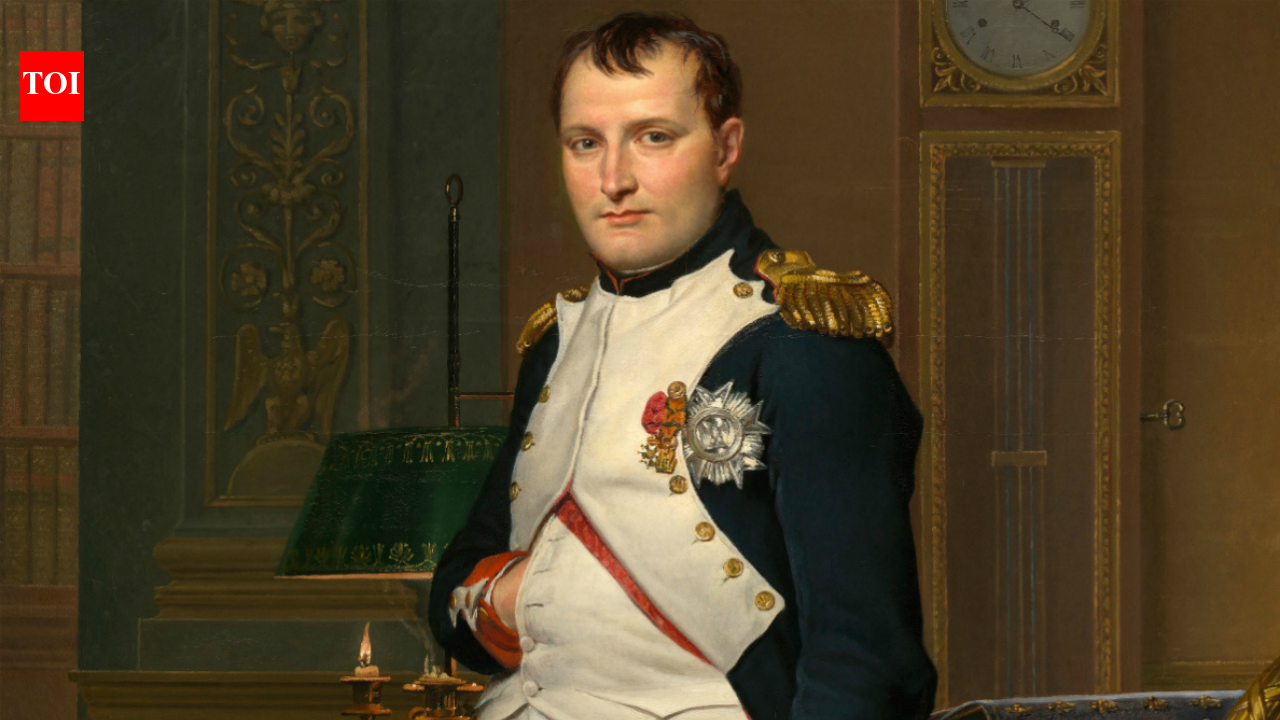
When Napoleon Bonaparte died in exile on the island of St. Helena in 1821, he left behind more than just a military legacy and a political legend. In his will, he directed that his hair be preserved, made into bracelets, and given to his family, including his mother, siblings, and son. This requirement reflected the wider 19th-century custom of retaining hair as a personal memento after death. Napoleon’s hair was cut before his autopsy, and the surviving hair became one of the strangest artifacts associated with him.
Napoleon Bonaparte’s last wishes were written into his will
Napoleon’s will made this requirement exceptionally clear. It stipulated that his valet Marchand should keep his hair and have it fashioned into bracelets and give them to close family members and other members of his inner circle, including Queen Marie-Louise, his mother and his siblings, with a larger bracelet given to his son. In other words, this is not a legend that came out casually, but was passed down later. This was a written directive in the emperor’s will.To modern readers, the idea of preserving hair may sound unsettling. In Napoleon’s world, this was a common act of mourning. Hair is often turned into souvenirs and “memento mori” items, a way of preserving the body after death. Museums and historical collections still hold hair artifacts related to Napoleon, including mourning rings and hair given to admirers shortly after his death.His plea had an important impact immediately after his death. A 2004 medical history article stated that because Napoleon wanted his hair to be distributed among his family members, his head was shaved before the autopsy so that the hair could be preserved. This decision is one of the reasons why so many authentic or purportedly authentic specimens survived into later centuries.
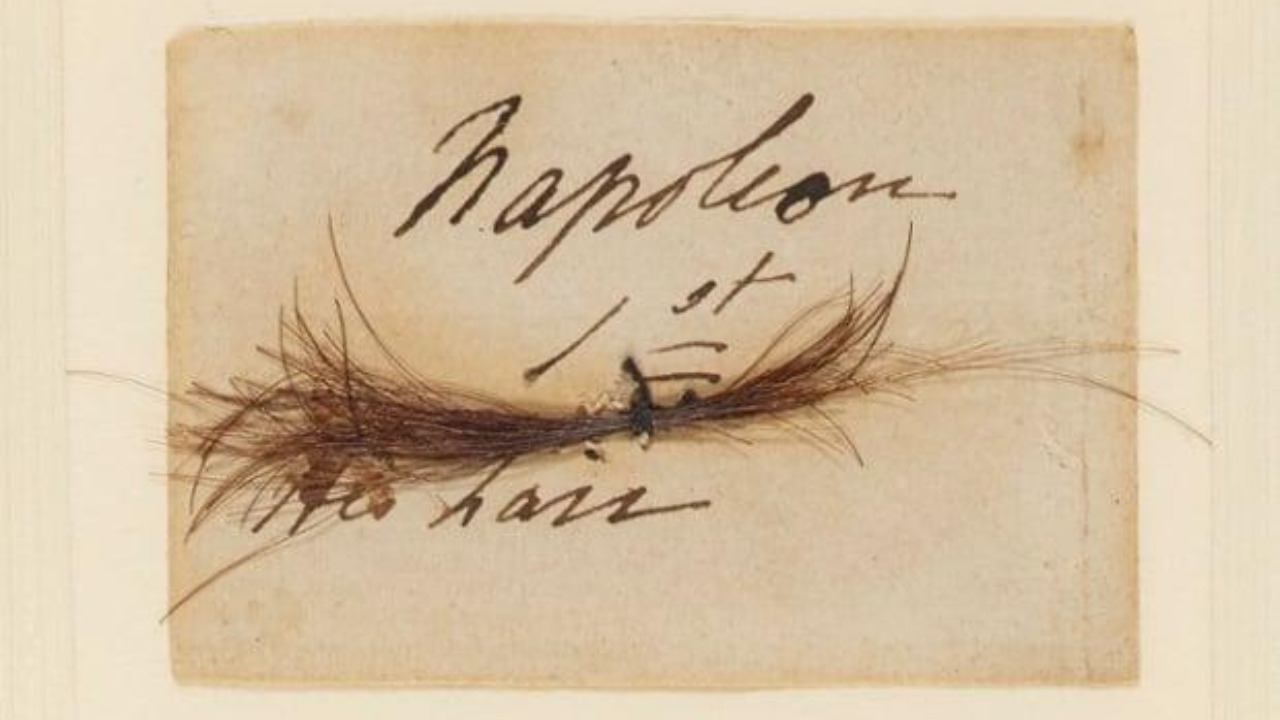
Napoleon’s hair, taken from the Battle of Waterloo. Image: Royal Collection Trust
The hair later sparked a bigger mystery
Napoleon’s preserved hair is important for another reason: it sparked a long-standing debate about the cause of his death. Some researchers believe the arsenic levels in the hair samples indicate poisoning, while others say the evidence does not support this conclusion and is consistent with environmental exposures in the early 19th century. Although the poisoning theory remains part of the public fascination, the broader historical record still favors stomach cancer as the most likely cause of death.
Small relics of a great life
Napoleon’s request was probably not for vanity or immortality. It is more in line with the mourning habits of that era: a fallen emperor wanted to leave a last physical connection to those closest to him. That’s why his hair is both a sentimental keepsake and a historical artifact, carrying strangely intimate traces of one of the most powerful figures in history.