
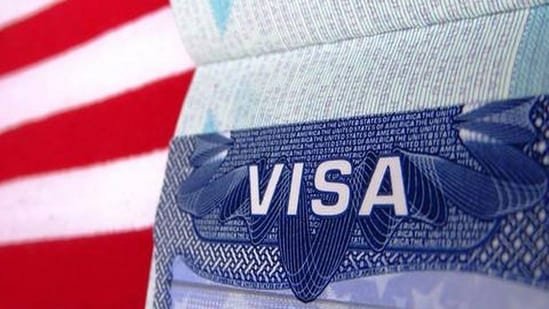
U.S. Citizenship and Immigration Services (immigration office) reported an increase in denials of employment-based immigration and important temporary visa categories.

Data from the government suggests that policies implemented during the Trump administration led to a surge in rejections, making it less likely that many highly skilled foreigners would find employment in the United States. economist Confirmed High skills Immigration is critical to the U.S. economy, especially in technology, medicine and other industries.
This new data is consistent with other government policies aimed at hindering or limiting immigration, such as a $100,000 fee for new H-1B visa holders to enter the country and a proposed regulation that could put many H-1B professionals and employment-based workers at risk. migrant Unable to compete in the U.S. labor market due to higher prevailing wage requirements. In addition, the company and H-1B Employees face long delays in renewing their visas in the United States. The result of these policy changes is the consulate.
Former visa officer gives tips
For many applicants, actual preparation for the U.S. visa interview only begins after receiving a “denial” notice.
That’s where most people go wrong, said Christa Byker, a former U.S. consular officer.
Based on her extensive experience interviewing applicants at the U.S. Embassy, Byker recently offered her insights into common misconceptions about the visa process. Her post was shared on LinkedInquickly aroused the resonance of applicants, migrant Lawyers and former officials, among others.
“Be prepared before your first interview. Not after you get rejected,” she advises.
Why do the officials at the visa window seem unfriendly?
Back noted that some applicants feel that the visa officer was rude at the end of the interview. However, she explained that the aggression often perceived by candidates is often the result of the stress and fatigue experienced within the embassy. “What feels rude is usually just speed, directness or fatigue,” she said.
visa Police conduct multiple interviews throughout the day, each of which often lasts only a few minutes. As a result, conversations often appear abrupt and transactional.
Byck acknowledged, however, that officials were not infallible. Some may simply be having a challenging day, while others may already have a reputation among their peers for being particularly demanding. She warns applicants not to let their emotions take over during interactions.
The second interview was more than just a repeat.
Many candidates believe that rejection will inevitably damage their prospects. Byker asserts that this is not always the case.
When a candidate reapplies, follow-up officers typically review notes from the previous interview. In some cases, if the original officer has a reputation for being too harsh, that background may subtly affect how the case is viewed during the second evaluation.
However, the second interview also brought new opportunities.
“Officers will almost certainly ask you why you are applying again,” she said, advising candidates not to see it as a challenge but rather as an opportunity to clarify their case and correct previous shortcomings.
“With your responses, you have a real opportunity to prove your qualifications. Don’t waste this opportunity,” she said.
Mistakes Candidates Realize After Being Rejected
Back claims that most applicants misunderstand the true nature of what is assessed in visa interviews.
She explains that people often focus too much on their documentation and fail to grasp the essence of the interaction itself. According to her, an interview is more than just paperwork, it is also about the applicant’s clarity, confidence and ability to effectively articulate their case under duress.
Additionally, she highlighted a little-known aspect shared by former officers: Morning interview times may sometimes yield slightly better results for applicants, since officers tend to be more alert earlier in the day. While it’s not a clear advantage, she said it’s a consideration worth pondering.
For Byker, the more important concern is that some applicants only start looking for interview strategies after a rejection leaves them confused. At that point, they were trying to right a mistake that could have been avoided.