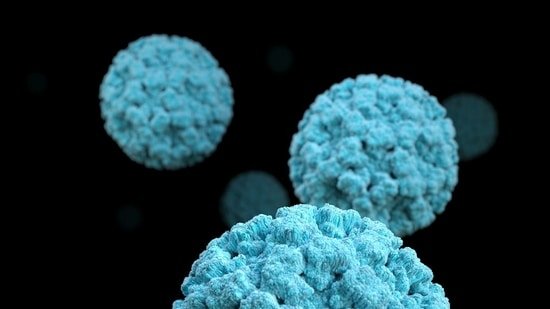
Norovirus vs. hantavirus explained: Key differences you need to know after 115 people fall sick on Princess Cruises

An outbreak of norovirus on the Caribbean Princess has sickened more than 100 passengers and crew members during a 13-night Southern Caribbean cruise, according to the U.S. Centers for Disease Control and Prevention.CDC).

The ship departed Port Everglades in Fort Lauderdale on April 29 and is scheduled to arrive at Port Canaveral on May 11.
According to the U.S. Centers for Disease Control and Prevention (CDC), 102 of the 3,116 passengers on board became ill during the voyage. An additional 13 crew members out of 1,131 on board were also sick.
The main reported symptoms are diarrhea and vomiting, which are often associated with norovirus infection.
In response to the outbreak, cruise ships have stepped up cleaning and disinfection procedures, while sick people are quarantined from unaffected travelers to help limit further spread.
Also read: NJ hantavirus scare: Experts provide details after possible on-plane exposure
Norovirus vs. Hantavirus: What’s the Difference?
The outbreak on the Caribbean Princess has also sparked confusion online about norovirus and norovirus. Hantavirus. These are two very different diseases.
While norovirus is relatively common and usually causes short-term gastrointestinal illness, hantavirus is rare and can be life-threatening.
Concerns about hantavirus recently surfaced after reports of illnesses linked to expedition cruise ships Hondius.
This is the difference between the two viruses:
1. Causes and transmission routes
norovirus
Norovirus is a highly contagious virus that is spread primarily through contaminated food or water, infected surfaces, or direct contact between people. The virus thrives in crowded environments such as cruise ships, schools, nursing homes and restaurants. It can survive on surfaces for several days.
Hantavirus
Hantaviruses are carried by rodents, including mice and rats. People usually become infected after inhaling particles in the air contaminated by rodent urine, feces or saliva. Unlike norovirus, hantavirus is not usually spread through person-to-person contact.
2. Symptoms and onset
norovirus
Symptoms usually appear suddenly and may include:
- Vomit
- watery diarrhea
- nausea
- stomach cramps
- Mild fever, headache, or body aches
The incubation period is usually 12 to 48 hours, and most people recover within one to three days.
Hantavirus
Early symptoms are similar to the flu and may include:
- fever
- severe fatigue
- muscle soreness
- Headache and dizziness
In severe cases, the disease can progress to severe breathing problems as fluid builds up in the lungs. Some strains may also affect the kidneys.
Symptoms may appear one to eight weeks after exposure, with many cases appearing after about two weeks.
3. Severity and Health Risks
norovirus
Although norovirus is unpleasant, it is rarely fatal. The biggest risk is dehydration, especially in older adults, young children and people with weakened immune systems.
Hantavirus
Hantavirus infections are much rarer, but much more dangerous. There is no specific antiviral treatment, and patients often require intensive supportive care, including oxygen therapy. According to the Associated Press, about 35 percent of people infected have the syndrome, which is fatal.