
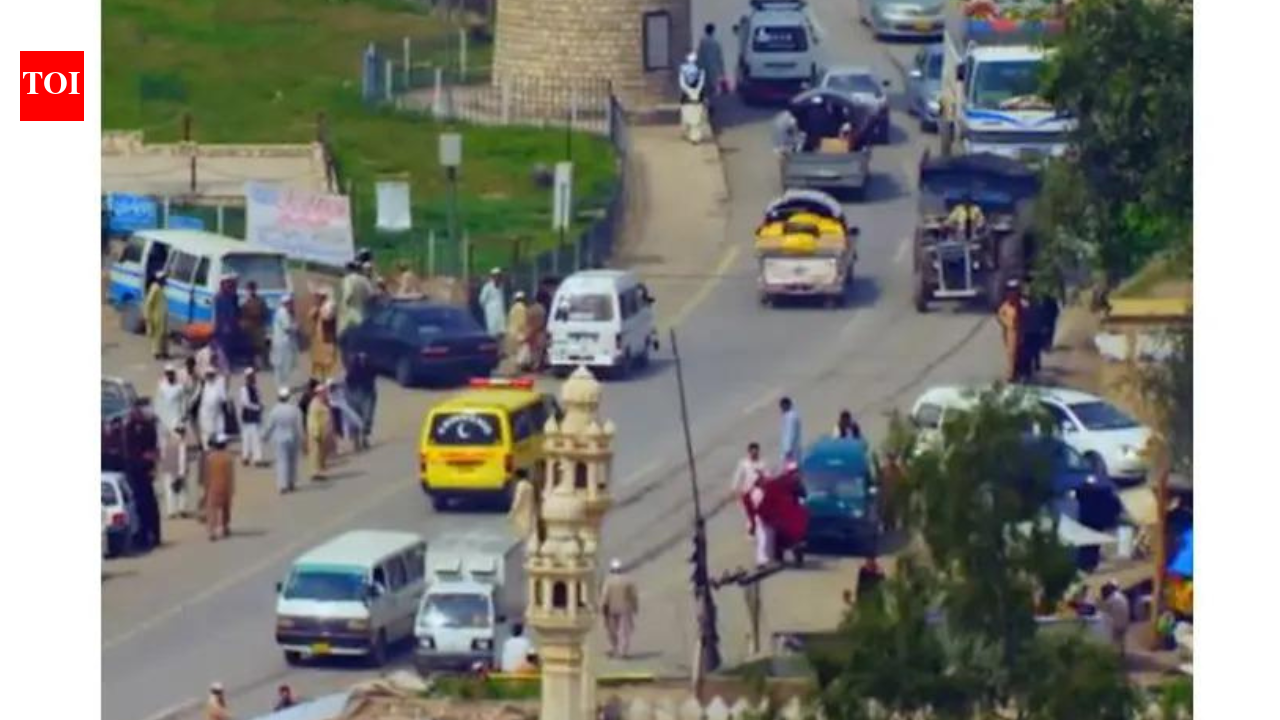
The United States announced on Wednesday it would close its consulate general in Peshawar in phases, citing concerns about the safety of diplomats and the need to better allocate resources.“The U.S. Department of State has announced a phased closure of the U.S. Consulate General in Peshawar. Responsibility for diplomatic engagement with Khyber Pakhtunkhwa will be transferred to the U.S. Embassy in Islamabad. This decision reflects our commitment to the safety of our diplomatic personnel and efficient resource management,” the U.S. State Department said in a statement.Washington says it will continue to actively engage with stakeholders despite its reduced physical footprint in Peshawar Pakistan.“While our physical presence in Peshawar is changing, the administration’s policy focus in Pakistan remains firm,” the statement said. “We will continue to meaningfully engage with the people and officials of Khyber Pakhtunkhwa to promote economic ties, advance regional security, and advance the interests of the American people.”The U.S. State Department added that its embassy in Islamabad and consulates in Lahore and Karachi will continue to operate as normal.On March 1, an Israeli and US attack killed Iran’s Supreme Leader Ayatollah Ali Khamenei, sparking unrest in Pakistan. At least nine people were killed in clashes between protesters and Pakistani security forces near the US consulate in Karachi, Dawn News reported.Soon after, on March 3, the U.S. State Department directed non-essential U.S. government personnel and their families to leave the consulates in Lahore and Karachi due to growing security concerns.As tensions between the United States and Iran have escalated since February 28, the department has also warned of potential drone and missile threats from Iran and possible disruption to commercial air travel.The advisory further highlighted the risk of terrorist attacks in Pakistan and noted that extremist groups, in particular, have carried out violent activities in Pakistan. Balochistan and Khyber Pakhtunkhwa province, including the former Federally Administered Tribal Areas, while incidents also occurred in major cities such as Karachi and Islamabad.A previous statement from the U.S. State Department stated that “terrorists may launch attacks without warning. They target transportation hubs, hotels, markets, shopping malls, military and security force locations, airports, trains, schools, hospitals, places of worship, tourist attractions, and government buildings.”