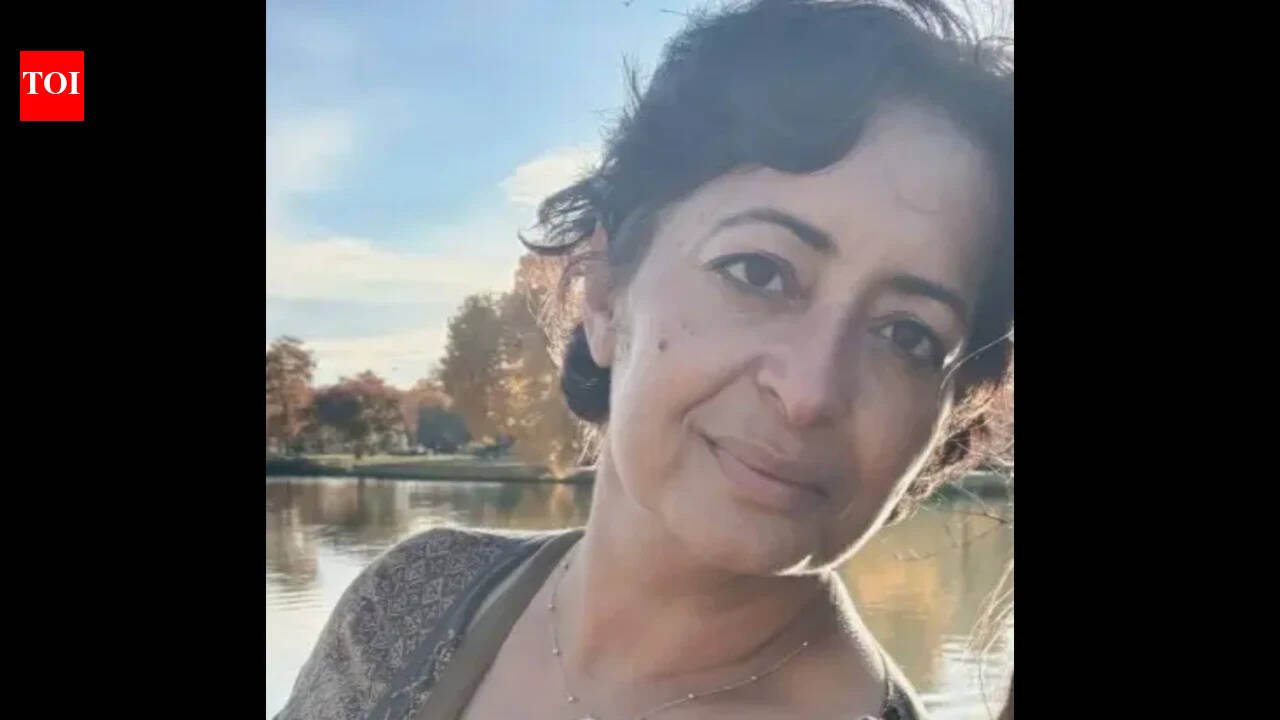


Meenu Batra’s attorney, Deepak Ahluwalia, talks about what’s next in their legal battle after Batra is released from ICE custody after six weeks.
Meenu Batra, who is detained by ICE because of her undocumented status of living in the United States since 1991, remains unclear after she was released from ICE detention after six weeks, her lawyer Deepak Ahluwalia said in an interview. This release was a victory and now she cannot be detained again without notice, but they are now working on getting her military parole since her son is in the US Army so that Batra can get a green card.Ahluwalia said the detention was absolutely unnecessary because Batra had been living in the United States for 35 years, paying taxes and working as a legal interpreter for the courts. She never got a call from ICE or any leads, but was cornered by ICE agents while she was on a business trip like she was a member of some cartel. Batra cannot be deported to India because of an earlier court order to do so and the government plans to send her to a third country. Ahluwalia said the government did not name third countries during the six weeks of detention because they had no plans.They first arrested Mini Batra but didn’t know what to do, the attorney said, adding that ICE had been pushing for more arrests because they had quotas to meet. Putting people in detention centers also generates profits for the companies that run them, which explains why the complex system can lead to serious miscarriages of justice.Ahluwalia said Minu Batra is eligible for parole as a family member of an Army soldier. If they can get this, they will apply for a green card for Meenu.Speaking about her conversations with Batra after her release, Ahluwalia said Batra considered herself an emotionally strong person when she was fleeing the Sikh genocide in India, but the ICE arrest shook her to her core.Ahluwalia said there were also racist elements to Minu Batra’s detention, which also instilled fear in other migrants.Meenu Batra came to the United States in 1991 after her parents were killed in Punjab. She did not enter the country legally, but in 2000 she was granted a legal status known as “withholding of removal,” which prevented her from being deported to India for fear of persecution.