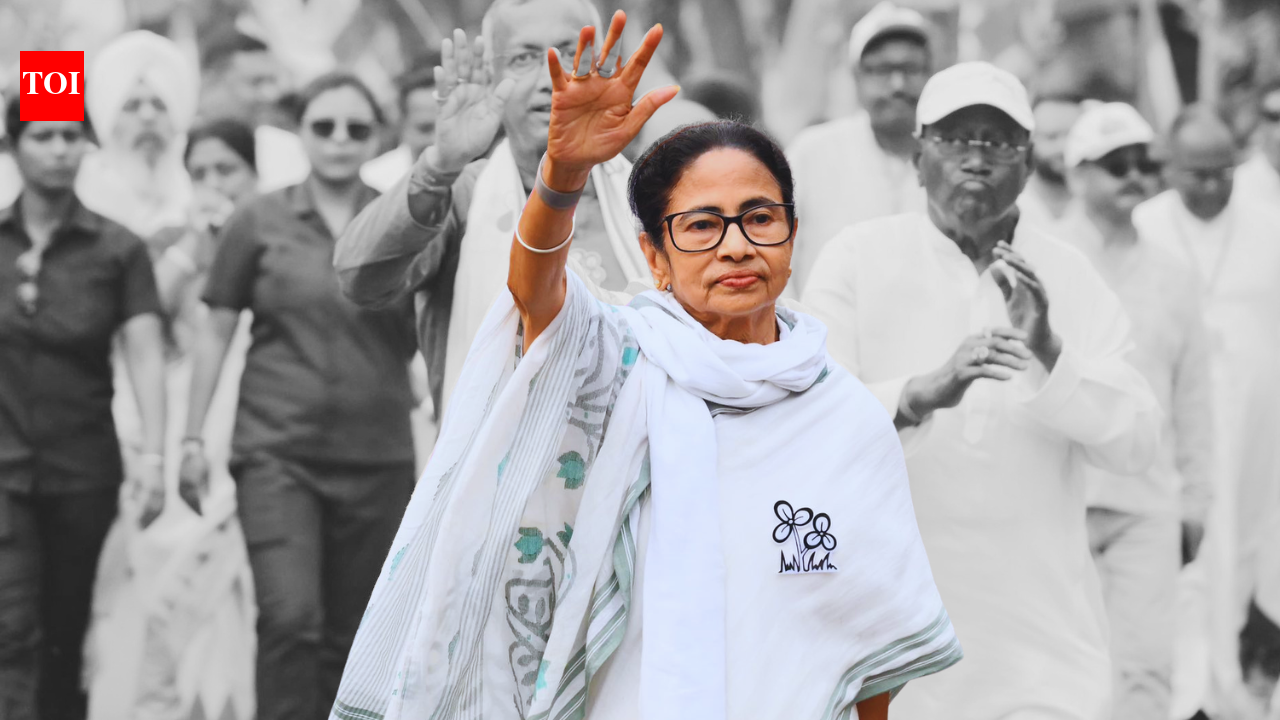

New Delhi: When centralized leadership and national narratives dominate politics, Mamata Banerjee As one of the strongest regional governors to resist national trends. She has ruled West Bengal for the past 15 years, defeating her opponents time and time again. But the big question is: Can the Trinamool chief do it again? this bjpHer main challengers in West Bengal are going all out this time to unseat her – leaving the ‘Mamata’ brand to face perhaps one of its toughest political tests.Not surprisingly, the 2026 West Bengal Assembly elections have become a virtual referendum on the Didi brand – a carefully constructed public image. TMC The top leadership combines grassroots populism, Bengali sub-nationalism and an expansionary welfare state based on direct benefit transfers.The question now is whether the brand once seen as electoral Teflon can still withstand accumulating voter fatigue, corruption allegations and, this time, an opposition as entrenched as the BJP.
A brand of her own
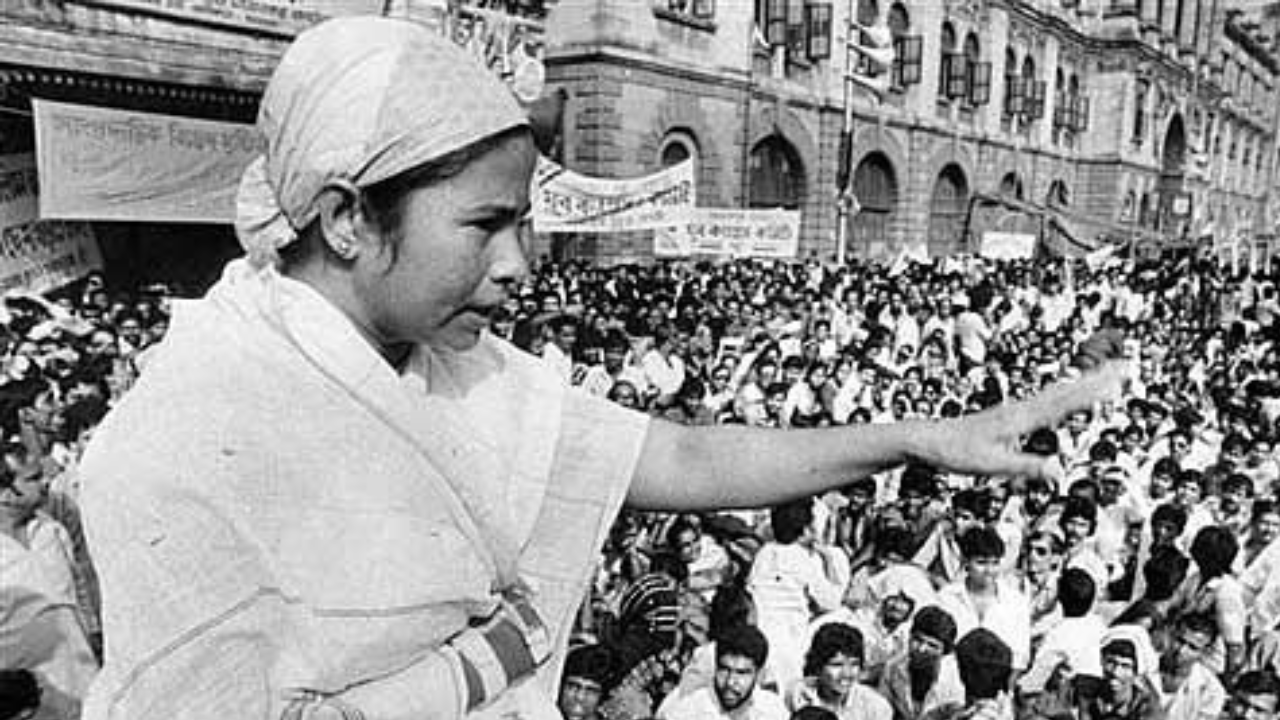
Mamata Banerjee’s Didi brand is about more than just governance; she bridges the gap between state power and individual citizens, transforming policy into personal service.From an anti-left rebel who came to power in 2011 to a welfare architect over the past decade, Banerjee’s politics has evolved but its core remains intact: a direct emotional and material connection with voters.
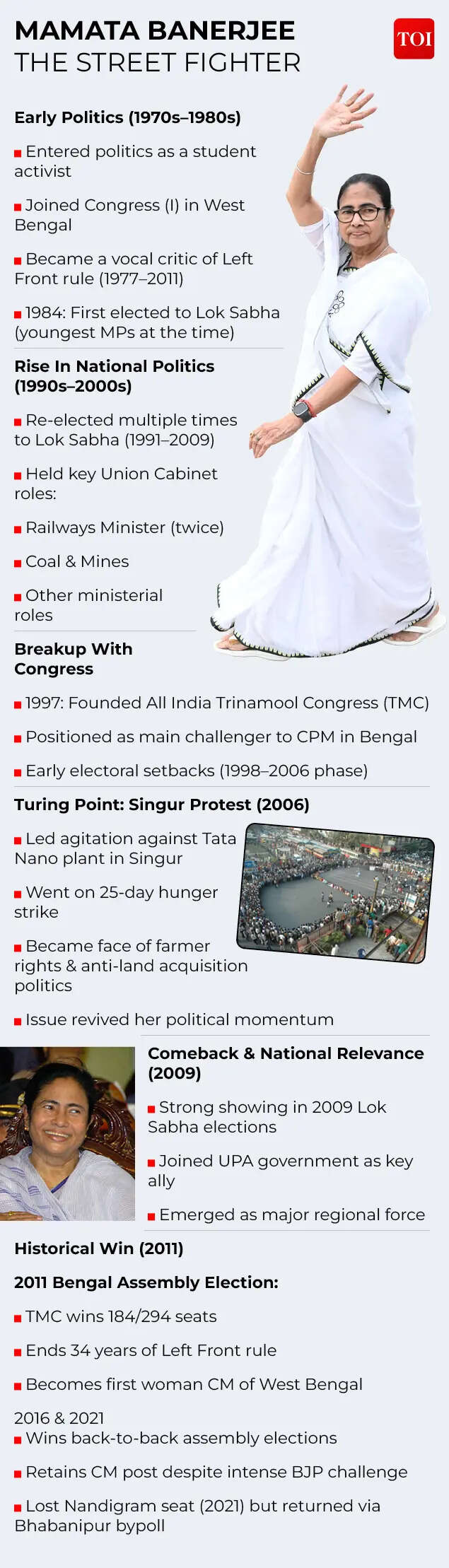
In 2021, this model reached its peak. Despite an intense campaign by the BJP, the TMC bagged 215 seats with 48.5 per cent vote share. However, the BJP did win 77 seats with 38.4% of the vote.Five years later, the election will again test the brand’s longevity.
The maternal state: welfare as political glue
At its core, the Didi brand is a maternal welfare state, a governance model that prioritizes household mobility over macroeconomic signals. Rather than promising long-term infrastructure gains, it provides immediate, tangible benefits that are critical to voters’ daily lives.Schemes like ‘Lakshmir Bhandar’ have become the cornerstone of the model. With around 221 crore women participating, the scheme has effectively created a large, cross-cutting support base among women voters that transcends caste and religious divides and has raised the monthly stipend to Rs 1,500 for the general category and Rs 1,700 for SC/ST beneficiaries.
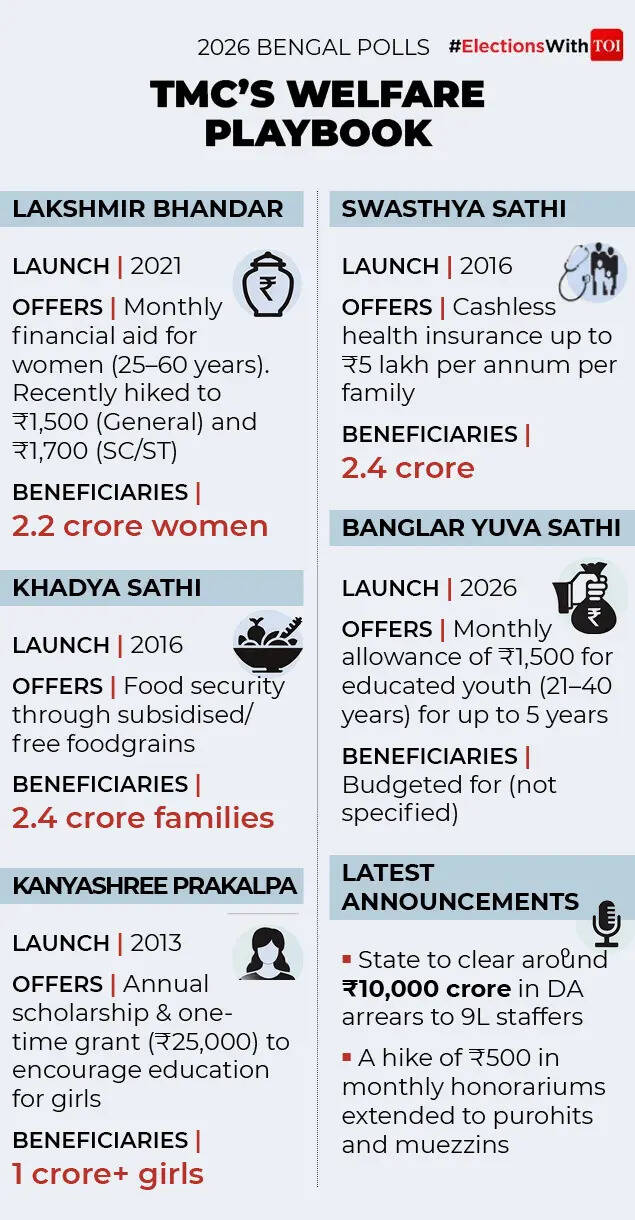
The scale of national food security networks strengthens this link. Under the ‘Khadya Sathi’ and ‘Duare Ration’ schemes, nearly 90 million people receive food subsidy, of which 750 million beneficiaries receive door-to-door delivery. In much of rural Bengal, these programs enable the Mamata government to visit several homes every month.This is with J Jayalalithaa in tamil nadu Her ‘Amma’ initiative provides affordable and nutritious food to low-income groups. The flagship project Amma Canteen has revolutionized food security by selling idlis for Rs 1, sambar rice for Rs 5 and curd rice for Rs 3.
Street Fighter 2.0
Days before the election date is announced, Mamata Banerjee has adopted a sharp strategy to recast her street-fighter image. Faced with anti-incumbents and growing institutional pressure, she shifted the arena of confrontation from street protests to the courts. On February 4, she became the rare sitting chief minister to address the Supreme Court in person, turning the legal hearing into a political moment.
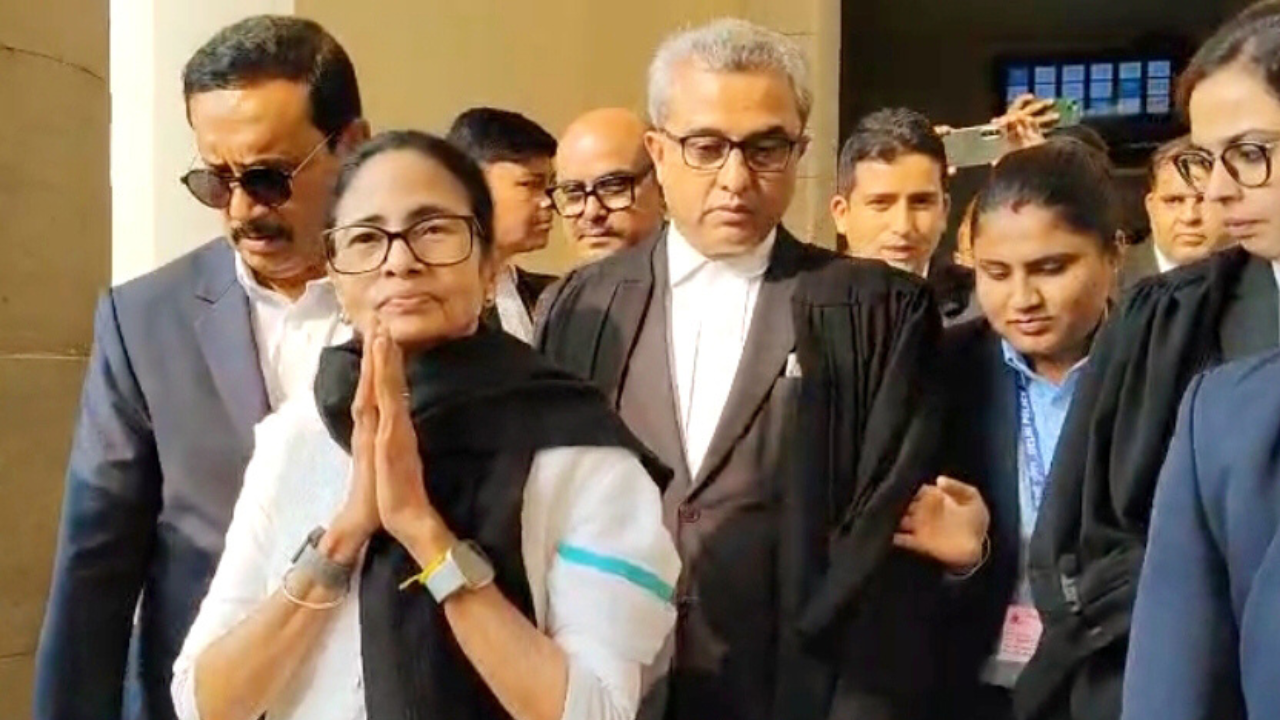
Central to the move is the SIR on the electoral rolls, where more than 9 million people’s names have been removed. The BJP framed it as a clean-up drive, while Banerjee reframed it as a matter of disenfranchisement. By appearing in person, wearing her signature cotton sari and slippers, she reinforced her image as a grassroots leader who challenged the powerful institutions that had helped her in her early political career.The move also marks a subtle reinvention. She went from being cast as a combative street politician to rebranding herself as a “constitutional warrior” who believed that defending the rights of her constituents required fighting the system from within.
Stress Factors: Corruption and Credibility
However, for the first time in more than a decade, the brand is clearly under pressure. The 2026 election cycle has exposed fault lines that go beyond routine anti-incumbency behavior.The most damaging challenges can be called moral crises. Incidents like the RG Kar Medical College tragedy and Sandeshkhali’s allegations struck at the emotional core of Banerjee’s political identity – “Maa, Mati, Manush”. The ‘Maa’ part, which positions her as a protective figure, has come under scrutiny especially when it comes to women’s safety.
During the second phase of the election campaign in Bangladesh, Prime Minister Modi used this to tear the party apart, saying: “15 years ago, the TMC came to power on the basis of ‘Maa, Marti, Manush’. Now they can’t even say these words. I will tell you the reason behind it. If these people say these words, their sins will be exposed.” The TMC’s brutality has made ‘maa’ cry, handed over ‘maati’ to criminal syndicates and infiltrators, and forced Bengal’s ‘manush’ to flee.“In fact, the BJP also offered an electoral ticket to the mother of the RG Kar case victim and Prime Minister Modi campaigned for her in Dum Dum on Saturday. The BJP has also issued a ticket to Rekha Patra, one of the victims of Sandesh Khali from Basirhat in West Bengal, in the 2024 Lok Sabha elections. However, Patra lost the polls.Investigations involving central agencies such as the Enforcement Directorate and CBI have further amplified the narrative of corruption, complicating the issue of women’s safety. While the TMC has raised questions about these investigations, and Mamata herself has publicly fought the agency, they could raise wider credibility challenges.
identity politics
The 2026 election has also been affected by the controversial Special Intensification Revision (SIR) of the electoral roll, which has reportedly seen the names of nearly 9.1 million people removed. The turnout in the first phase was as high as 92.59%, the highest since independence.Mamata Banerjee made sure to turn this EC exercise into a political issue – an issue of identity and disenfranchisement. By framing it as an attempt to exclude vulnerable groups (i.e. Muslims), she mobilized her supporters around a defensive narrative: not just to vote for a party, but to protect one’s political existence.On the turnout in the first phase, TMC spokesperson Kunal Ghosh said the surge in poll percentage was “clearly in favor of the ruling party” and marked a clear rejection of the BJP.Echoing the same sentiment, TMC minister Bratya Basu said, “In Bihar, we have seen a similar pattern where the turnout has increased significantly but the government has remained unchanged. The same trend is reflected in Bengal as well.”In contrast, the BJP sees the SIR exercise as a corrective measure against illegal immigration. The result is deeply polarized discourse and an electoral contest that is also a battle over belonging.In this case, the “Didi brand” may regain relevance among some voters—not as a tool of appeal, but as a shield against ostracism.
lasting advantage
Despite facing headwinds, Mamata Banerjee retains three key advantages that could swing the election in favor of the TMC again this time.The first is the lack of credible local confrontations. The BJP’s campaign, while well-organized, still relies heavily on the national leadership and its promise of “dual-engine” governance. This allowed the TMC to position the election as a contest between the “daughters of Bengal” and external forces, thereby strengthening regional identity.The TMC has raised the slogan “Bangla nijer meyekei chay” (Bangla wants its own daughter) this election season while branding the BJP as an outsider who wants to end Bengali culture.The second is the depth of the grassroots network. Through self-help groups such as Anandadhara (covering over 12 lakh groups and over 100 lakh women), the TMC has established a decentralized mobilization structure.The third is Banerjee’s adaptive populism. In the face of the crisis, she kept adapting – introducing schemes like Shramashree and expanding the social safety net to regain lost ground. The Shramashree scheme supports Bengali-speaking migrant workers who face harassment or difficulties in returning from other states. It provides a one-time travel grant of Rs 5,000, financial assistance up to Rs 5,000 per month for a year and rehabilitation support to benefit registered workers.This ability to respond quickly prevents discontent from crystallizing into a unified anti-incumbency wave.
The evolution of the brand
Perhaps the most important shift is conceptual. The brand “Didi” of 2026 is no longer the aspirational force it was in 2011 when it promised “Poriborton” (change), nor is it the provocative force embodied in the slogan “Khela Hobe” in 2021.Now it has renamed itself after the utility of the welfare scheme. This time, it is also a fighter against the currently dominant national party, the Bharatiya Janata Party.Banerjee has claimed that she will turn her attention to Delhi after winning the assembly polls.“Remember this, you cannot defeat us. We fight against injustice; we fight for our rights. I was born in Bengal and I will breathe my last breath in this Bengal. Once I win in Bengal, I will take over Delhi. I will do this by uniting all political parties. I don’t want the (power) seats; I want the complete dissolution of the BJP in Delhi. While their destruction in Bengal is inevitable, the BJP must also be driven out of Delhi,” she said at a rally in Kolkata.
So, can the Didi brand succeed this time?
The state has conducted the first phase of voting in 152 constituencies on April 23 and will conduct the second phase of voting on Wednesday.Whether she returns to power for a fourth time, we will know when the results are announced on May 4. But for now, one last woman remains standing.