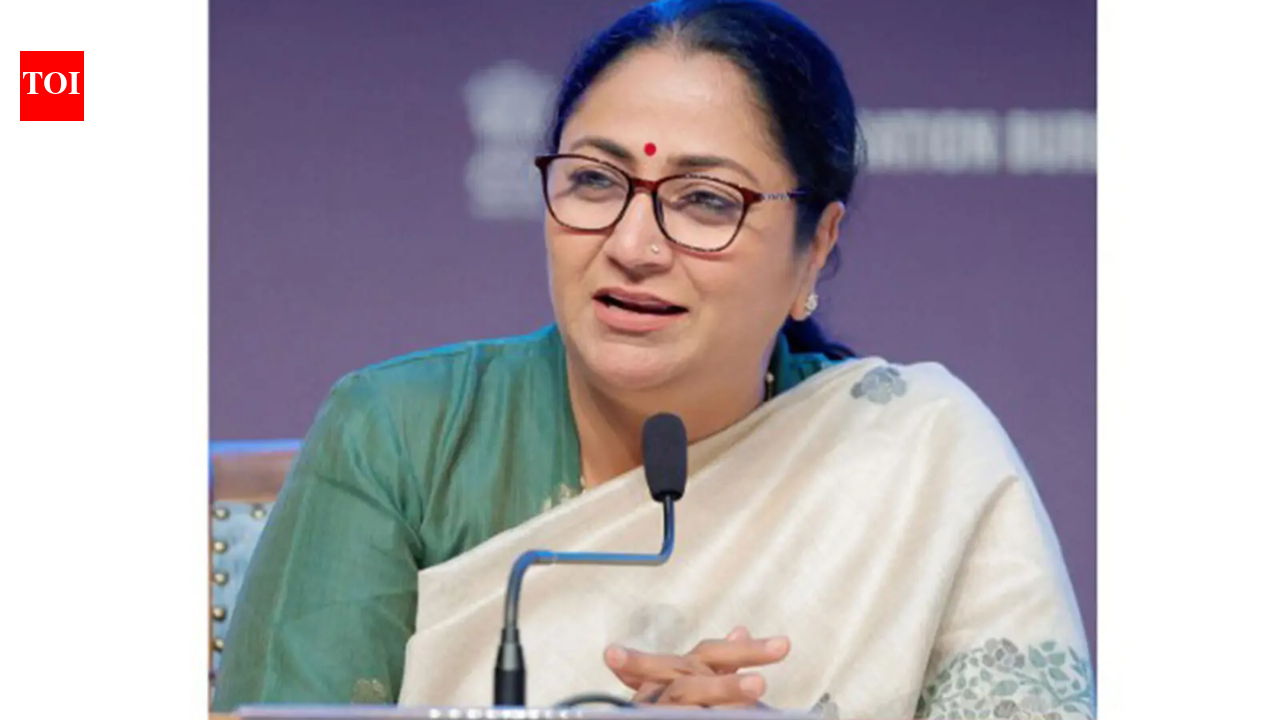

New Delhi: As temperatures soar and heat wave conditions intensify, Delhi Chief Minister Rekha Gupta on Sunday directed officials to strictly implement the Heat Wave Action Plan 2026. While highlighting the increasing severity of hot weather, the chief minister pointed out a worrying trend: Delhi has seen temperatures exceeding 40°C for nearly 40 consecutive days in the past two to three years. This year, the government conducted a detailed scientific assessment of the entire city using satellite data to identify high-risk areas. The most sensitive area is Arya Nagar in south Delhi, where temperatures have previously reached as high as 45.5°C. Extremely high temperatures also occurred in Najafgarh (43.7°C in 2025) and Safdarjung (46.8°C in 2023). Other emerging geothermal hotspots include Wazirpur, Jahangirpuri, Khayala, Shastri Park, Vishwas Nagar, Harkesh Nagar, Hari Nagar and Delhi Gate. In addition, densely populated fringe areas such as Sawda, Mubarakpur Dabas, Bhalswa, Nand Nagri, Gokulpuri and Bakkarwala are experiencing significant “heat island” effect. Special protective measures have been designed for these areas, including increasing the stock of oral rehydration salts in health centres, deploying rapid response teams and increasing water tankers. In a noteworthy directive, the Chief Minister asked various departments, especially the DDA, Education Ministry and Delhi Jal Board, to ensure provision of water and shade not only for humans but also for animals and birds. Bird water containers and special drinking points for stray animals have been installed in parks, bus stops and school campuses. According to the Chief Minister’s Office (CMO), to protect school children, if necessary, the government can use ORS solution before students leave school to reduce the risk of dehydration during commuting. For construction workers, strict measures will be implemented during peak heat hours. During severe heatwave conditions, outdoor work may be suspended between 12pm and 3pm. Workers will also be provided with drinking water, hats and sun protection clothing. First aid kits and ice packs will be provided on site if needed. Delhi is also moving towards the Cool Roof Policy 2026. Kashmere Gate ISBT has applied reflective coatings to nearly 28,674 square feet to help reduce indoor temperatures. To further combat the heat, high-pressure mist systems will be installed at bus stops, while anti-smog guns will be used to cool densely populated built-up areas. The Ministry of Health has put 339 health centers in all 13 districts on alert. More than 30 hospitals have set up special five-bed “cool rooms” for heat wave patients. Residents can seek assistance through the 24×7 hotline numbers 1077, 1070 or 112. In addition, 39 rapid response teams and trained ASHA staff are on standby. Cold water and ORS will be arranged in busy public areas, including bus stops and terminals. Reaffirming the government’s strong commitment to power supply, Chief Minister Gupta said power demand in the national capital is likely to hit a new record this summer. Delhi’s peak power demand is expected to cross the 9,000 MW mark this season, which is significantly higher than last year’s maximum demand of 8,442 MW. In response to such huge demand, we issued strict instructions to power supply companies, making it clear that any power outages will not be tolerated. According to the Chief Minister, a special priority protocol has been implemented to ensure 24×7 uninterrupted power supply to critical facilities such as hospitals, water treatment plants (WTP) and mobile towers. Power companies have also been directed to keep additional rapid response teams and mobile transformers on standby to resolve issues related to transformers and technical faults, thereby ensuring immediate restoration of power supply in case of any emergency.