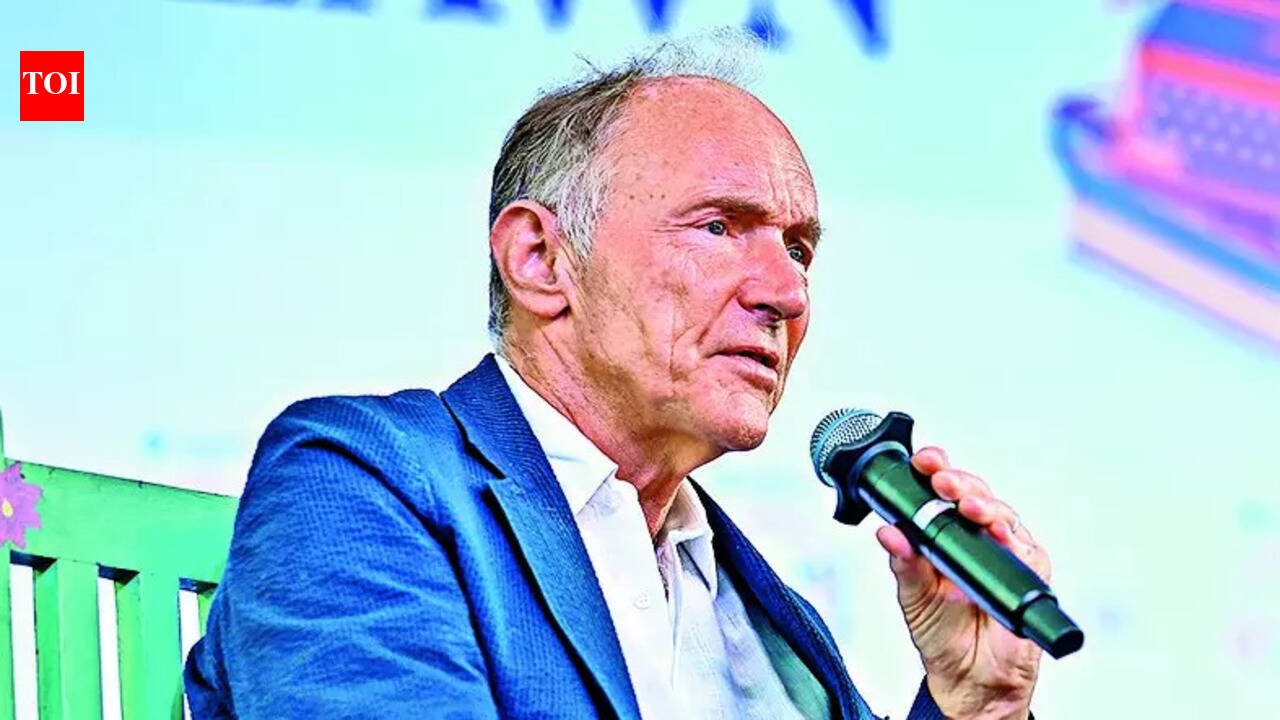

Artificial intelligence plays an exciting role in areas such as drug discovery, scientific advancement, and disease treatment. But Tim Berners-Lee, a British computer scientist and inventor of the World Wide Web, warned that given the speed at which artificial intelligence is developing, there is a real possibility that artificial intelligence will become more powerful than its creators. Berners-Lee said humanity must figure out how to deal with superintelligence, offering a warning at a time when companies and governments appear to be racing to develop artificial intelligence without really considering the consequences.
In an interview with Jaya Bhattacharji Rose, Berners-Lee described ChatGPT as a “phase change” that surprised him with its conversational capabilities. The key question, he emphasized, is who AI works for. He argued that assistants should serve the best interests of users — similar to a doctor’s role — rather than corporate incentives. He links this to his Solid project and the company’s work on user-controlled data “pods,” which aim to restore agency by giving individuals control and selective sharing of their personal data, including in child-safe configurations with parental supervision.Berners-Lee also contrasted the democratic ethos of the early web with today’s platform-dominated experience. Initially, individuals can publish their own websites and participate on an equal footing with major institutions.