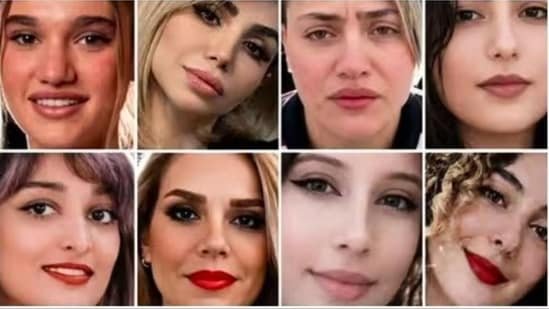
Who are the 8 women Trump says Iran may execute? What charges are they reportedly facing? detail

President of the United States Donald Trump Urge Iran to stop reporting execution of eight womenbut available information about their identities and alleged crimes remains fragmented and largely unverified.

In an article published in Truth Social, Trump said he was “extremely grateful for the release of these women” and urged Iran’s leaders to “do no harm to them,” viewing the move as a potential goodwill gesture ahead of negotiations.
Who are the women named so far?
According to social media posts by activist Eyal Yakoby and additional details compiled by the Lawfare Project, eight women have been identified:
- Bita Hemati The National Council of Resistance of Iran (NCRI) said he was a protester arrested during anti-regime demonstrations in January. She was detained along with her husband and others and sentenced to death.
- Diana Tahrabadi (16-year-old) was identified as a minor and was detained in January for allegedly participating in protests, The Hill reported, citing media reports.
- Mahbube Shabani (33) was arrested in February and charged with assisting injured protesters, human rights groups reported.
- Nsi NejatiAccording to the New York Post, the report described her as a Kurdish women’s rights activist who was sentenced to death in early 2025.
Ghazal Galandari, Gornaz Naraj, Venus Hussein Ahmadinejadand Mowahedi Arrow Advocacy groups have also named them, but public information about their backgrounds remains limited.
Naraghi, believed to be a 37-year-old emergency medicine specialist, was arrested during the protest, while Hossein Nejad was allegedly removed from his workplace by security forces and forced to confess on national television, The Hill reported.
Social media reports also indicate that Nejati is a mother of a young child.
What charges are they reportedly facing?
Only a handful of cases contained specific allegations.
NCRI reported that Hemati was charged with multiple crimes, including using explosives, throwing objects such as concrete blocks, participating in protest rallies and disrupting national security.
For others, charges are described more broadly. Several of the women were accused of participating in or organizing anti-regime protests, while Shabani was specifically accused of helping injured demonstrators, The Hill reported.
Some reports also claim that some detainees were forced to confess on television.
However, clear legal charges against many of the women on the list have not been independently confirmed, and no detailed court records have been made public.
Also read: Iran ‘refuses’ to participate in second round of talks; US negotiators to head to Islamabad
It’s not clear what
Significant gaps remain in the reporting:
- Iranian authorities have not publicly confirmed the identities or cases of all eight
- Much of the information comes from activist networks and advocacy groups
- Limited independent verification of allegations and legal proceedings
this White House No detailed confirmation of the case has been provided.
The cases are viewed against the backdrop of a crackdown following anti-government protests in Iran earlier this year. The Human Rights Activists News Agency reported that more than 50,000 people were detained during the demonstrations, while the NCRI claimed that hundreds of people were executed in early 2026.
Rights groups have repeatedly claimed authorities have conducted hasty or unfair trials of those accused of resisting the regime: a claim Iran has historically denied.