
Vice President Vance, who is in charge of U.S.-Iran ceasefire talks in Islamabad, warned Tehran on Friday not to “play” Washington. Meanwhile, President Donald Trump tasked Vance, Steve Witkopf and Jared Kushner with mediating negotiations in Pakistan.

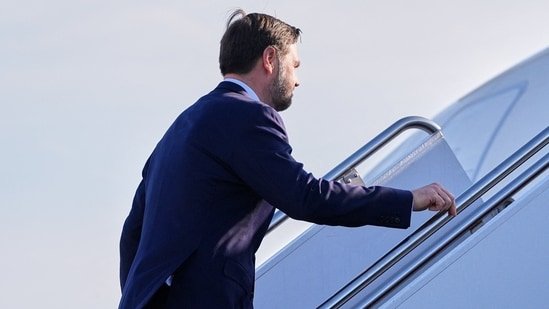
“If the Iranians are willing to negotiate in good faith, we are certainly willing to lend a hand,” Vance told reporters before boarding Air Force Two for talks in Pakistan. But he added, “If they want to take on us, then they will find that the negotiating team is not that receptive.”
Vance also said Trump “gave us some very clear guidelines” on how the negotiations should proceed, but he did not elaborate. He did not answer questions from reporters accompanying him.
The vice president’s trip comes days after the United States and Iran announced a two-week ceasefire. However, Israeli attacks on Lebanon put the agreement at risk.
Why J.D. Vance is bad news for America – Experts weigh in
With Mohammad Bagher Ghalibaf, the speaker of Iran’s parliament, a controversial figure who is part of Tehran’s team in Islamabad, the stakes couldn’t be higher. If talks break down, the temporary truce could expire, potentially reigniting a broader conflict that Trump has warned could lead to a situation in which “entire civilizations will die.”
The decision to replace Secretary of State Marco Rubio with Vance sparked debate in policy circles. Jonathan Wachtel, a former adviser to the U.S. mission to the United Nations, criticized the move.
“Taking negotiations to vice-presidential level would unnecessarily raise the stakes and, worse, reward this brutal regime for trying to decide who sits across the table. You never allow your opponent to choose your negotiating team,” he said, according to the Daily Mail.
The White House rejected suggestions that Tehran influenced the decision. “This is completely false and is being peddled to try to derail negotiations,” one official said. “President Trump asked Vice President Vance to lead negotiations.”
Iran’s ten-point plan is at the heart of the meeting
According to White House press secretary Carolyn Leavitt, Iran submitted a 10-point proposal that was modified to fit the U.S. 15-point framework and included possible concessions on uranium enrichment.
Still, major sticking points remain, particularly Iran’s nuclear ambitions and control of the Strait of Hormuz, a key global oil chokepoint.
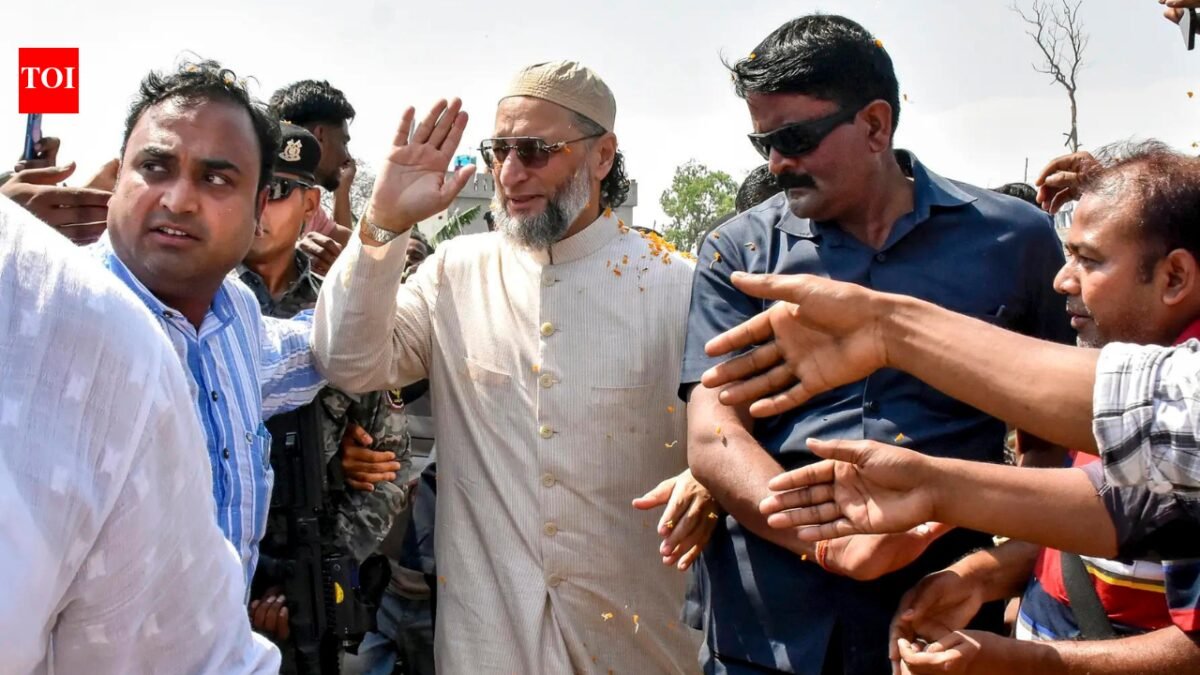
As Vance traveled to the Pakistani capital, Islamabad, Iranian parliament speaker Mohammad Bagher Qalibaf said in a social media post that Israel’s targeting of Iran-backed Hezbollah militants in Lebanon and the release of blocked Iranian assets “must happen before negotiations can begin.” He did not elaborate further.
(With AP input)