‘Only country that respects this subject’: Trump reignites birthright citizenship debate, slams US courts

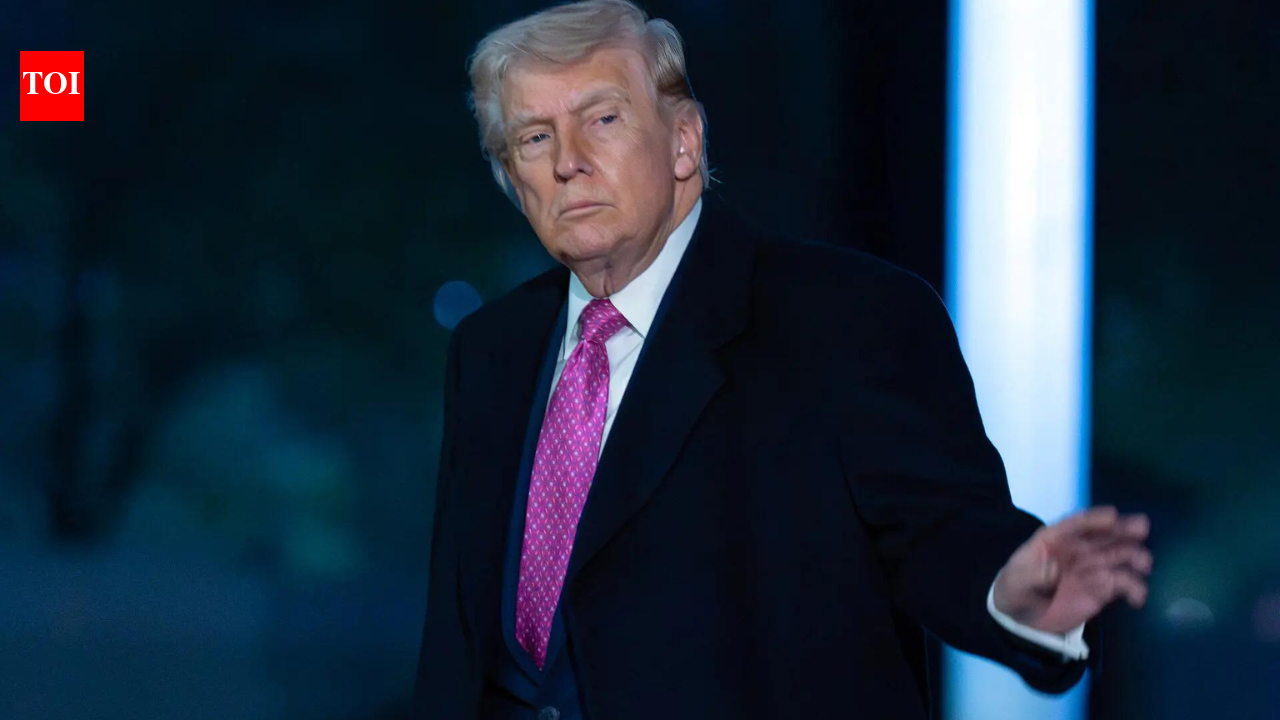
President of the United States Donald Trump Again opposed to birthright citizenship, arguing that the policy was originally intended for “babies of slaves” and was now being abused by wealthy foreigners seeking U.S. citizenship for their children. In a post on Truth Social, Trump criticized the practice of so-called “birth tourism,” claiming that people from countries like China are using the system to “get paid” to gain citizenship. He also took aim at the U.S. judicial system, saying “stupid judges and justices don’t make a great country,” while linking the issue to broader concerns about tariffs and economic policy. Trump further claimed that the United States is unique in continuing to debate birthright citizenship, suggesting that other countries benefit from the current system while “mocking” the U.S. legal framework.“Birthright citizenship has nothing to do with rich people from China and other parts of the world who want their children, and hundreds of thousands of others, for pay, ridiculously, to become citizens of the United States of America. It’s about the babies of slaves! We are the only country in the world that respects this subject by even discussing it. Look at the date of this long-ago legislation – The exact end of the Civil War! The world is getting rich by selling citizenship to our country while laughing at how stupid our US court system has become (tariffs!) “Stupid judges and justices don’t make a great country! “Trump said on “Truth Society.” Birthright citizenship is the principle of “jus soli,” or “right to the land,” according to which nearly everyone born on U.S. soil automatically becomes a citizen. It was guaranteed by the 14th Amendment to the Constitution, passed in 1868, ensuring citizenship to former slaves, and later reinforced by the Supreme Court’s 1898 ruling in United States v. Wong Kim Ark, which extended rights to children born to noncitizen parents. Although broadly applicable, it excludes minority categories such as the children of foreign diplomats and remains a core, constitutionally protected feature of U.S. citizenship law.