
–
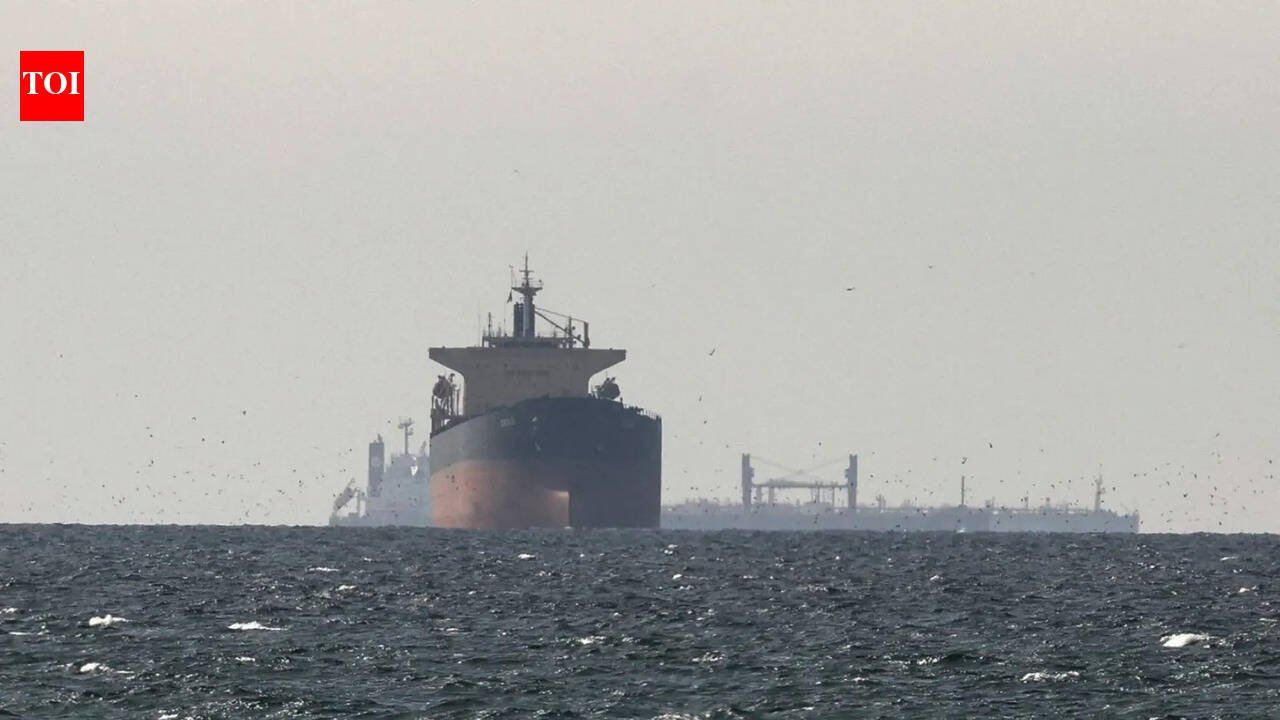
NEW DELHI: Indian sailors sailing in the Strait of Hormuz are grappling with GPS outages, mine warnings and a lack of clear navigation authorities.Ships in the area reported constant radio broadcasts from maritime channels warning ships not to transit. “Attention all ships…this is the Saipa Navy…no navigation through the Strait of Hormuz…no ships will be allowed to pass until further notice,” the radio message rang repeatedly. The crew attributed the information to Iran’s Islamic Revolutionary Guard Corps (IRGC) navy.
At sea, these real-time instructions are influencing decision-making. Captains described an unstable situation characterized by confusion and an increasing reliance on manual navigation as satellite systems became unreliable.Indian captain Manish Kumar, who has 28 years of experience and is in command of a chemical tanker waiting for safe passage through the Strait of Hormuz, told The Times of India on Thursday: “Navigation is severely affected by GPS. It is difficult to determine the position of the ship… If the position is missed in such narrow waters, the ships may run aground or collide.”Modern shipping relies heavily on GPS to plot routes and avoid collisions, making such disruptions particularly dangerous in narrow passages like Hormuz.Adding to the risk are mine warnings – explosive devices that can be triggered by contact or proximity. Kumar said ships are being provided with maps showing specific transit corridors. “There are arrows, marked routes in and out. It’s like a designated pathway,” he said.Kumar described the current situation as unprecedented. “This combination – the GPS issues, the unclear timeline and the real threat that exists – this is new.”The nature of the cargo magnifies the risk. Most of the ships passing through Hormuz are oil tankers or chemical tankers carrying flammable cargo. If anything happens, it could turn into a big bang.Shipping lines have begun issuing daily “conflict intelligence briefings” directly to ships. These combine military consulting, open source tracking and proprietary risk assessments into real-time operational guidance.The March 25 Daily Security Intelligence Update on Middle East Conflicts warned of “extreme caution,” citing GPS interference, increased security levels at ports and unsubstantiated concerns about mine-laying activity. The report compiles real-time battlefield developments, maritime incidents, airspace closures and energy outages.A report released on March 24 by the Joint Maritime Information Center, a US-led multinational coordination agency, marked the regional maritime threat level as “severe.” The report cited 21 confirmed incidents since March 1, as well as ongoing “navigation disruption” in the Strait of Hormuz, the Gulf of Oman and the Arabian Gulf.Traffic through the strait has dropped from an average of about 138 vessels per day to single digits.