
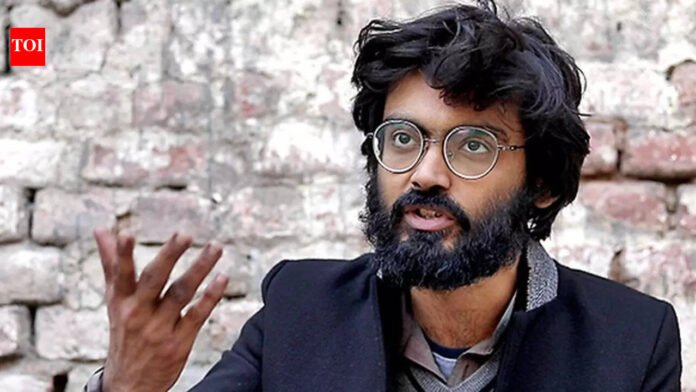
New Delhi: A Delhi court on Monday granted 10-day interim bail to Sharjeel Imam in connection with the 2020 Delhi riots for attending his brother’s wedding.Additional Sessions Judge Sameer Bajpai was hearing an interim bail application filed by Imam seeking six weeks’ grace to attend a wedding scheduled this month. The court granted temporary bail from March 20 to 30.Imam is an accused in a case related to the February 2020 riots in northeast Delhi that left 53 people dead and more than 700 injured.
Interim bail comes months later supreme court of india The Imam’s request for regular bail was rejected in January this year. At the time, the Supreme Court had denied bail to imam and student activist Omar Khalid in the Delhi riots conspiracy case.The Supreme Court, in its January 6 order, said delay in trial and lengthy jail term cannot be a “trump card” for obtaining bail in cases registered under the stringent Unlawful Activities (Prevention) Act. The court noted that while personal freedom is important, it cannot be the only factor when the charges involve serious crimes affecting public order and national security.A bench of Justices Aravind Kumar and NV Anjaria rejected the bail pleas of Khalid and Imam but granted bail to the five co-accused in the case. Those granted bail include Gulfisha Fatima, Meeran Haider, Shifa-ur-Rehman, Mohd Saleem Khan and Shadab Ahmad.The court said Khalid and Imam were in a different position compared to the other defendants because of their “level of culpability.” Both activists spent more than five years in prison for the case.In February 2020, protests against the Citizenship (Amendment) Act 2019 erupted into riots, leading to communal clashes in parts of northeast Delhi during then US President Donald Trump’s visit to India.The Supreme Court said the two defendants can apply for bail again after a year or after all protected witnesses have been examined in the trial, whichever is earlier.The Supreme Court also said that in cases involving offenses under special statutes such as UAPA, the mere lapse of time does not automatically justify bail. It stressed that courts must strike a balance between the constitutional protections under section 21 and Parliament’s intention behind stricter bail conditions in laws dealing with national security-related offences.


