

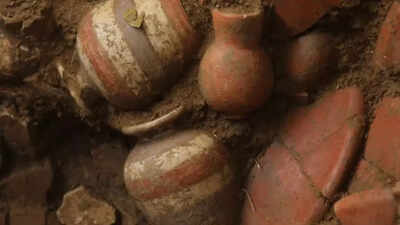
Archeology in Panama is always surprising. Deep in the Nata District, researchers discovered a tomb that had been hidden for more than a thousand years. It is over 1,000 years old and contains human remains, gold jewelry and beautifully decorated pottery. Experts say the findings could rewrite what we know about social structure and rituals in pre-Hispanic Mesoamerica. The tomb is part of the Elcano site, which has been excavated for twenty years. According to reports, these burial sites are reserved for high-ranking people.
Gold-filled tomb reveals advanced burials from AD 800 to 1000
The tomb reportedly dates to between 800 and 1000 AD. The skeletal remains inside were surrounded by gold breast ornaments, bracelets and earrings. Some of the jewelry features bats and crocodiles. These animals have strong symbolic significance for the society of the region. It seems that the person wearing gold is the highest status of the group. Ceramics decorated with traditional patterns were also placed next to the body. Experts say these items are more than just decorative items. They may reflect beliefs in life after death or continued social status.
Elcano ruins reveal centuries of high-status tombs and gold craftsmanship
Elcano is located approximately 200 kilometers southwest of Panama City. Archaeologists have been digging there for about 20 years. To date, nine similar tombs have been discovered. The work continues and each season brings new discoveries. Researchers say the tombs provide clues about social hierarchy, trade and rituals in pre-Hispanic society. It seems that the value of gold is very high. The repetitive designs of jewelry in tombs suggest shared beliefs and cultural connections.Making gold at the time required skill and the right materials. It seems only certain people have access to it. Chest ornaments, bracelets, earrings, etc. were unearthed from the tombs, which not only reflect the level of craftsmanship, but also have symbolic significance. The bat and crocodile designs match patterns found elsewhere nearby. This may point to shared myths or religious ideas. Experts say the objects may have been used to indicate rank during life and after death.
Burial indicates social status, rituals continue after death
The valuables placed with the body hint at what the people thought they would need in the afterlife. Experts say Elcano offers a rare glimpse into pre-Hispanic Mesoamerican culture before Europeans arrived in 1492. The exact age of the tomb and the material of the gold are being examined. Detailed results may take several months to appear in a journal.